
Comprehensive Tornado & Wind Damage Restoration in Nashville, TN
Tornadoes and strong winds can shift structures, scatter materials, and create sudden openings that leave a property vulnerable. Our team focuses on stabilizing the site and guiding you through the early decisions that shape the rest of the restoration process. Each Nashville project begins with a careful review of the areas that need the most immediate attention.
As we move through the assessment, we examine exterior surfaces, interior damage, and any structural concerns that may have developed during the storm. At AccuWorks, we use clear documentation and organized planning to outline the next steps for repairs. This approach helps reduce uncertainty and gives you a clear view of how the recovery will progress.
Wind damage restoration benefits from steady coordination and reliable communication. We help your property regain a secure, functional condition while keeping every step understandable. Contact us to begin restoring your space after a tornado or wind damage in Nashville.

The Difference Between Wind Damage & Tornado Damage
Wind and tornado damage may look similar at first, but the forces behind each event affect properties in very different ways. These differences influence both the severity of the damage and the types of repairs needed to restore safety.
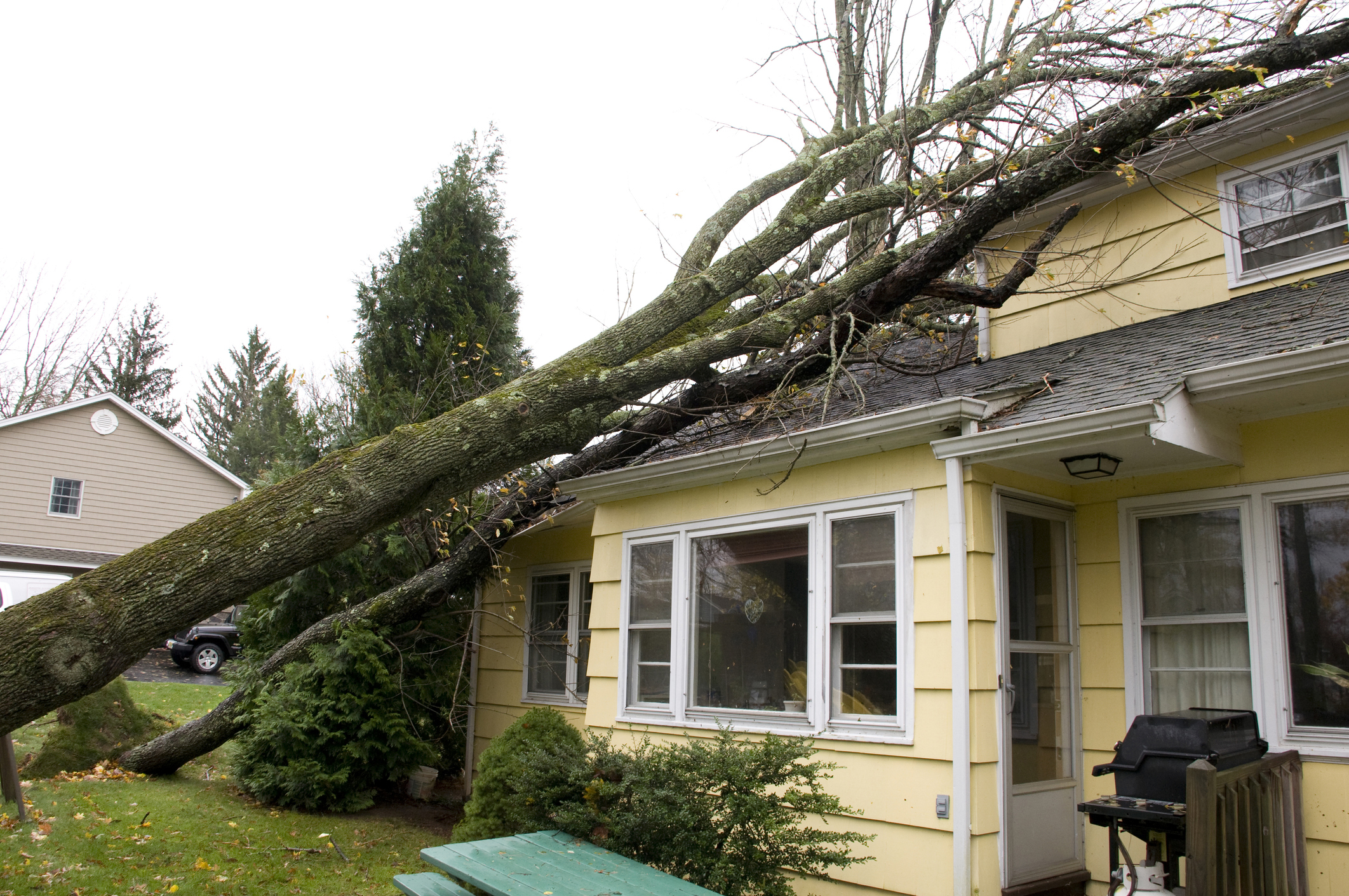
Straight-line winds push materials in a single direction, often causing lifted shingles, siding displacement, fallen trees, and broken windows. Tornadoes create rotational force that twists structures, shifts framing, removes entire roof sections, and sends debris through building envelopes at high speed.
Because the impact patterns vary, the restoration approach changes as well. Wind damage often requires targeted repairs that focus on exterior elements and water entry points, while tornado damage may call for structural assessments, framing corrections, and full rebuild planning.
Understanding the type of event helps guide the inspection process and makes sure the right steps are taken to protect the property long-term.
Other Storm Damage Restoration Services
Tornado and wind events often create multiple forms of damage, and full recovery typically involves more than structural repairs alone. Supporting storm damage restoration services stabilize the property, repair additional storm impacts, and address any water intrusion that followed the wind event. These combined efforts help restore safety and give the property a clear path toward long-term stability.

Wind Damage Restoration FAQs
Tornadoes and high winds can cause damage that is both sudden and complex, leaving homeowners unsure about what needs attention first. Understanding the nature of wind-driven damage helps guide expectations for inspection and repair.
These FAQs explain how wind affects different structural areas, what signs point to deeper issues, and how restoration specialists help bring the property back to a stable condition.
Assessing structural stability after strong winds involves inspecting both visible and concealed damage. High winds can shift framing, loosen fasteners, and create weaknesses that compromise the entire structure.
Key steps professionals take to evaluate stability include:
How professionals help: Our restoration team performs a comprehensive stability assessment using both visual and digital measurement tools. We determine whether temporary supports or structural repairs are needed before full restoration begins.
Why this matters: Evaluating stability early protects your safety and prevents further structural deterioration.
Serious wind damage often extends beyond what’s visible on the surface. Recognizing warning signs early helps prevent secondary issues like collapse, water intrusion, or long-term instability.
Common indicators of significant wind-related structural damage include:
How professionals help: Our structural assessment crew inspects every level of the property, from the roofline to the foundation, to locate hidden or emerging damage. We document findings and plan stabilization or repair work as needed.
Why this matters: Spotting structural issues early prevents safety hazards and limits costly reconstruction later.
Yes, strong winds can cause stress that impacts both the framing and foundation of a building. Over time, pressure from uplift and vibration can shift structural components, leading to cracks, leaks, and misalignment.
Common ways wind affects structural framing and foundations include:
How professionals help: Our inspection team evaluates both visible and hidden areas for stress or movement using moisture meters and structural level tools. We provide stabilization and targeted repairs to restore strength and alignment.
Why this matters: Addressing wind-related structural movement early helps preserve the integrity and safety of your property.
After major wind events, temporary safety measures protect both the property and anyone entering it. Stabilizing damaged areas prevents additional collapse, moisture intrusion, and safety risks until permanent repairs begin.
Essential temporary safety measures include:
How professionals help: Our emergency response crew installs tarps, boards, and bracing as soon as it’s safe to enter the site. We stabilize compromised areas and coordinate with engineers if structural reinforcement is required.
Why this matters: Immediate stabilization protects your safety and prevents additional loss before full restoration begins.
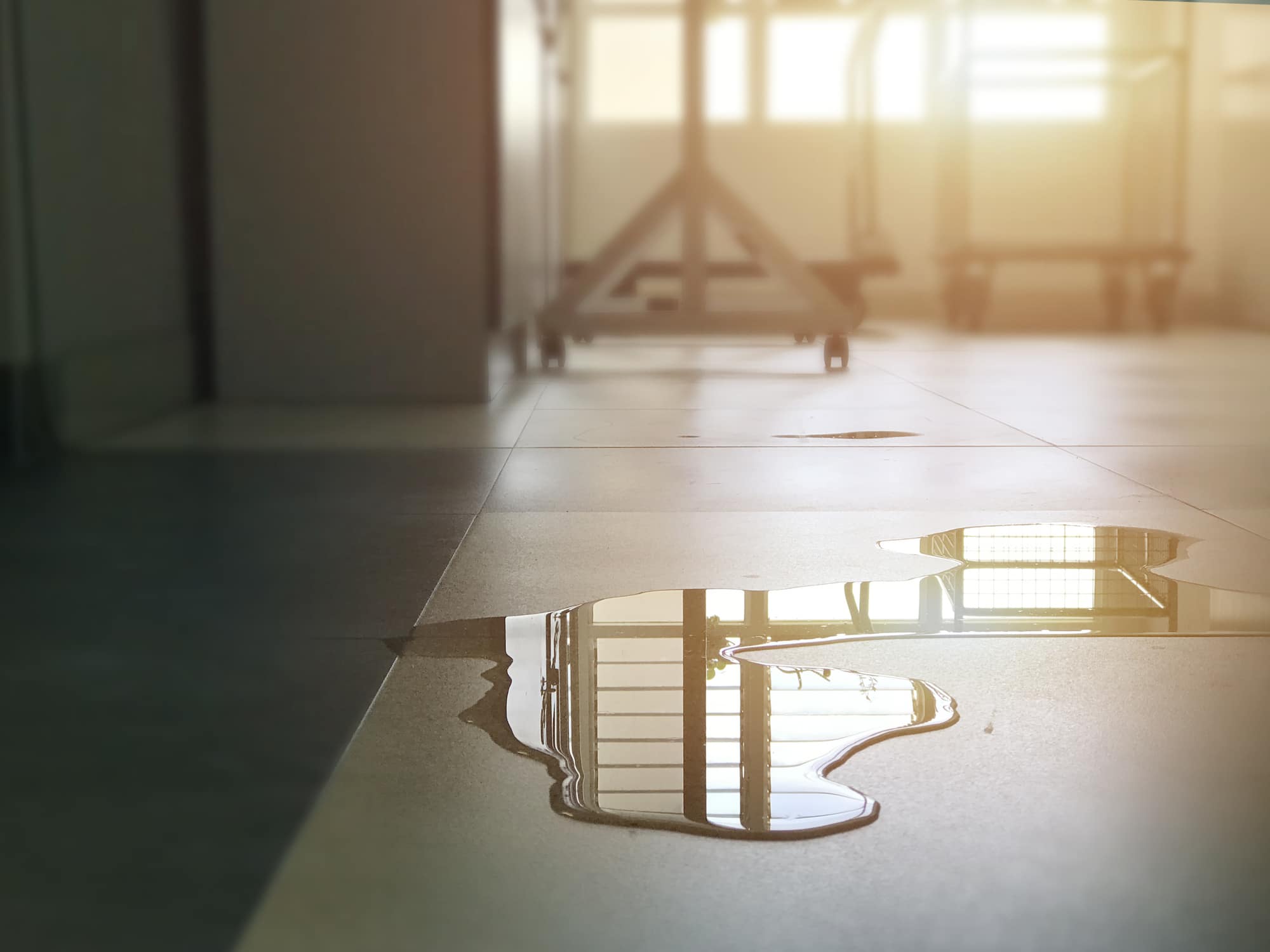
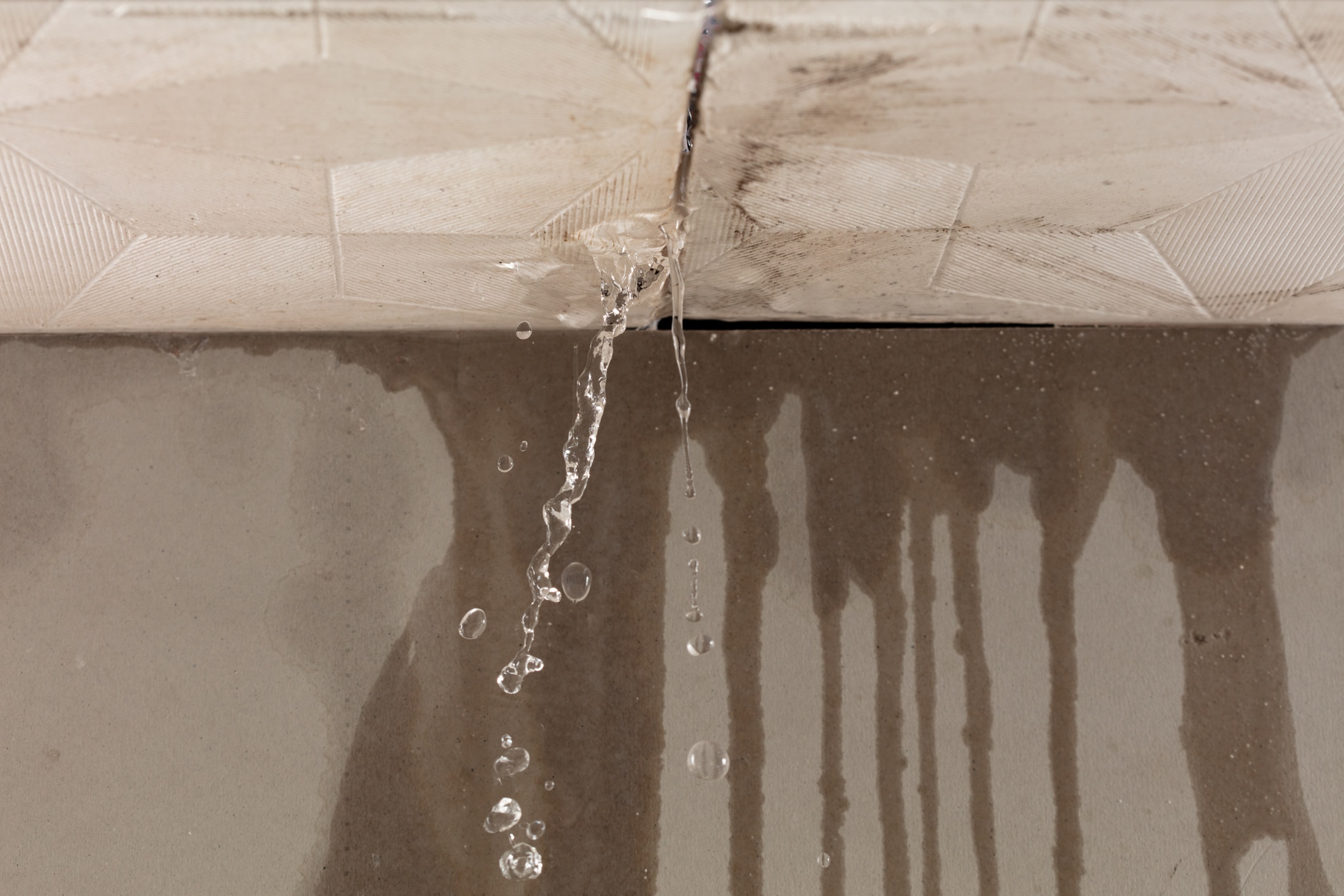
Yes, wind damage can lead to long-term moisture issues when openings allow water to enter hidden areas. Even small leaks caused by lifted shingles, cracked siding, or loose flashing can trap moisture inside walls and insulation.
Common moisture problems caused by wind damage include:
How professionals help: Our restoration team uses moisture meters and thermal imaging to identify concealed water intrusion caused by wind. We dry, disinfect, and seal affected areas to stop further deterioration and prevent recurring mold.
Why this matters: Addressing wind-related moisture early protects your home’s structure, air quality, and long-term value.
Restore With Confidence: Insights From the AccuWorks Blog
Our blog offers helpful information for Nashville homeowners and businesses recovering from tornadoes and high-wind events. You’ll find guidance on identifying hidden wind damage, understanding structural risks, and learning what to expect during the restoration process.
Once you finish reading, visit our FAQ page for clear answers about timelines, inspections, and the steps involved in restoring wind-damaged properties.
Contact Nashville’s No. 1 Tornado & Wind Damage Restoration Team
Tornadoes and strong windstorms can cause sudden, significant damage that affects both the structure and the safety of a property. Our Nashville team provides detailed restoration services that address structural impacts, exterior damage, and debris-related issues.
We work with care and precision to help return your home or business to a stable and secure condition. Contact us today to schedule professional wind damage restoration and begin rebuilding with confidence.