
The storm ended hours ago. The sky is clear, the streets are drying, and the rain that soaked into the yard is only now starting its slow push toward the foundation.
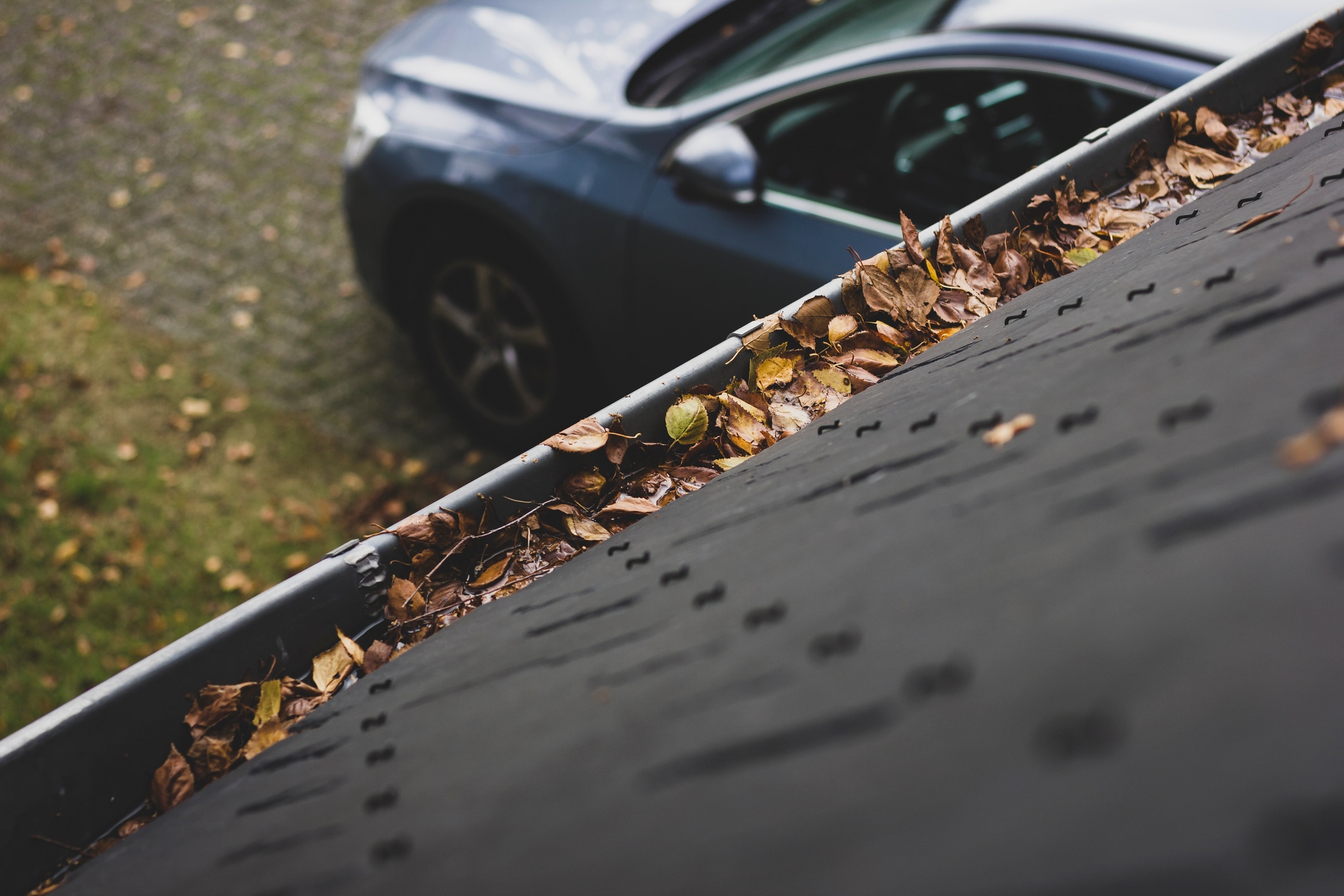
That’s the part of fall rain most Nashville homeowners never see. Leaves clog the gutters, clay soil holds every drop, and by the time a damp spot shows up on the basement wall, the drainage issues behind it have been building for weeks.
Here’s how to spot the weak points around your property and stop exterior water damage before the wettest stretch of the year settles in.
TL;DR: The Fall Drainage Rundown
- Fallen leaves clog gutters and downspouts faster than most property owners expect.
- Middle Tennessee’s clay-heavy soil holds water and pushes moisture toward foundations and crawl spaces.
- Poor grading and short downspouts are among the most common causes of exterior water damage in Nashville homes.
- Landscape drainage fixes cost far less than restoration after water gets inside.
- A fast response from a water mitigation company keeps a wet basement from becoming a mold problem.
Why Fall Rain Hits Harder in Middle Tennessee
Late summer in Middle Tennessee often ends dry, and clay soil shrinks as it loses moisture. That shrinking pulls the soil away from foundations and opens narrow gaps that give the first heavy fall rains a direct path down along basement walls.
The landscape also stops pulling its weight. Lawns, shrubs, and trees slow down heading into dormancy, which means they draw far less water out of the ground than they did in July.
Cooler temperatures and shorter days finish the job. Moisture lingers for days instead of hours, so each new storm lands on ground that’s still saturated from the last one, and that’s how most fall rain flooding in Tennessee gets its start.
5 Drainage Problems That Lead to Exterior Water Damage
Every property has its own quirks, but these trouble spots tend to show up around homes and businesses again and again:
- Clogged gutters. Wet leaves pack into gutters within a few weeks, sending rainwater over the edge and straight down along the foundation.
- Downspouts that end too close to the house. A downspout that empties a foot from the wall dumps hundreds of gallons of roof runoff right where it does the most damage.
- Negative grading. Soil settles over time, and a yard that once sloped away from the foundation can gradually tilt back toward it.
- Clogged French drains and catch basins. Landscape drainage in Nashville yards often depends on buried systems that fill with silt, roots, and leaf debris until water stops moving.
- Failing sump pumps. A pump that sat idle through a dry summer may not kick on during the first heavy fall storm, and a dead backup battery won’t do much better.
Warning Signs Water Is Getting Where It Shouldn’t Be
The best time to check drainage is during or right after a heavy rain, when every weak spot gives itself away. Grab an umbrella, take a slow lap around the property, and keep an eye out for these red flags:
- Puddles that hang around the foundation long after the rain stops
- Water sheeting over the front of the gutters instead of draining through the downspouts
- Bare patches, washed-out mulch, or small trenches carved into the soil beneath the roofline
- Chalky white residue, damp patches, or fresh cracks on basement walls
- An earthy, musty smell in the basement or crawl space that wasn’t there over the summer
- Bubbling paint, swollen baseboards, or soft drywall along exterior walls
Try This: Book a thermal inspection to find moisture hiding behind walls and above ceilings without cutting into a single piece of drywall. The most expensive leaks are usually the ones nobody can see.
Fall Flood Prevention Steps Worth Taking Now
Most drainage fixes don’t require a contractor or a big budget. One free Saturday and a little elbow grease go a long way toward keeping water outside where it belongs.
Clear the Gutters at the Right Time
Cleaning them in early October feels productive, but the trees aren’t finished yet. Wait until most of the leaves have dropped, then check again after the next big storm, since even gutter guards collect debris over time.
Send Downspout Water Somewhere Useful
Extensions that carry runoff at least six feet from the foundation make a huge difference, and a buried drain line works even better. Point them toward a lawn or garden bed where water can soak in, not onto the driveway. While out there, make sure the soil slopes away from the house and fill any low spots that have formed.
Give the Sump Pump a Test Run
Pour a bucket of water into the pit and confirm it kicks on and drains. If the backup battery is more than a few years old, swap it out before a storm puts it to the test.
Call in a Pro for the Stubborn Spots
Some yards stay soggy for days, no matter what. A landscape drainage assessment can pinpoint where water collects and why, long before it finds a way inside.
What Happens When Water Makes It Inside
Sometimes even a well-prepared property can take on water during an all-night downpour, and once it soaks into drywall, insulation, or subflooring, the real damage starts where nobody can see it.
Wet materials wick moisture upward and outward, pulling water into walls and rooms that never saw a drop. Within a day or two, mold can start taking hold.
That’s why the first 24 hours matter so much. A professional water mitigation company extracts standing water fast, maps moisture to find everything that got wet, and runs commercial dehumidification and structural drying equipment until every material is back to normal levels.
End the Year on Dry Ground
Fall is the last real window to get ahead of water before winter takes over. Freeze-thaw cycles widen the cracks rain has already found, and early spring storms land on soil that never fully dried out.
An afternoon of prevention now costs far less than weeks of flood damage restoration later. Make drainage the final item on this year’s maintenance list, and the property heads into winter with one less thing to worry about.
Trusted Water Mitigation Across Nashville and Middle Tennessee
If rain has already found its way inside, AccuWorks is the water mitigation company Nashville property owners have counted on since 2006. Our crews respond 24/7 across Middle Tennessee, handling everything from water removal to full reconstruction. Call (615) 292-2009 to schedule an inspection or start emergency service today.