
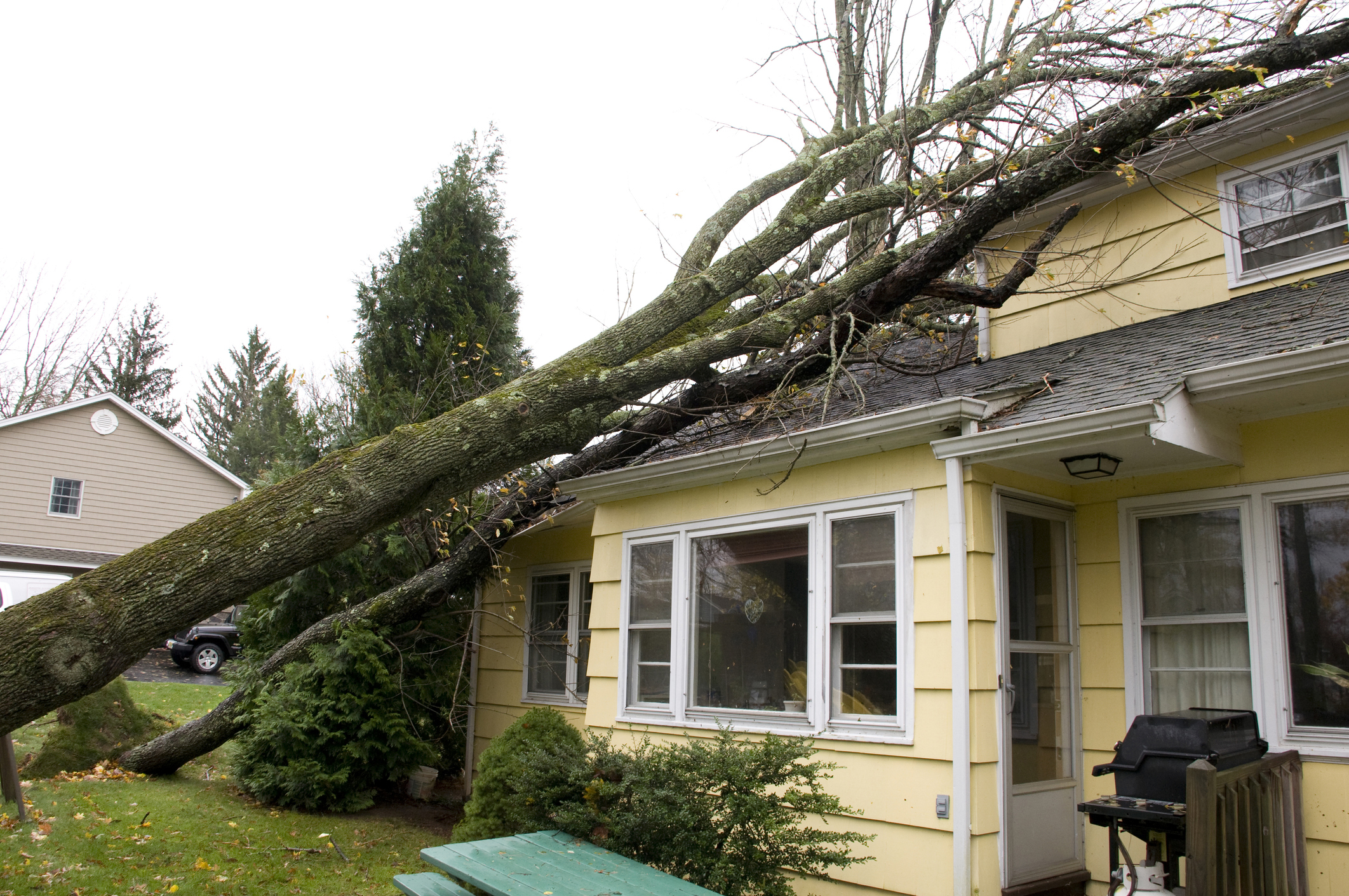
A single storm rarely causes just one kind of damage. Wind pulls shingles loose, rain gets into the attic, and within days, mold starts growing somewhere nobody’s checked yet.
That’s the reality behind most calls for Nashville restoration services: water, fire, mold, and storm damage don’t stay in their own lanes. They set each other off. Knowing how these problems connect can save your home, your health, and your insurance claim.
TL;DR: The Domino Effect Breakdown
- Storm damage creates entry points for water, and water left untreated becomes a mold problem within 48 hours.
- Fire damage almost always comes with water damage too, since firefighting soaks walls, floors, and belongings.
- Nashville’s humidity speeds up mold growth once moisture gets trapped behind walls or under flooring.
- Insurance claims move faster when one team documents the full chain of damage instead of three separate reports.
- A full-service restoration company in Nashville handles all four damage types under one roof, so you’re not juggling multiple contractors.
How Does Storm Damage Lead to Water Damage?
High winds lift shingles or crack the seal around a roof vent, and rain finds that gap fast. That’s how water and fire damage in Nashville homes often starts with something as small as one loose shingle. The water doesn’t always show up right away. It can travel along a rafter or down a wall cavity for days before a stain appears on the ceiling.
That delay is what makes storm-related water damage so easy to miss. The roof looks fine from the street, but water’s already working its way into insulation and drywall.
Does Water Damage Always Lead to Mold?
Not always, but the window to stop it is short. If wet materials are dried within 24 to 48 hours of a leak or spill, mold usually won’t take hold. Past that window, spores already present on damp drywall, insulation, or subflooring start to grow.
This is why mold after water damage in TN shows up so often. Between Nashville’s humidity and how easy it is to miss a slow leak behind a wall, that 48-hour window closes before most homeowners even know there’s a problem.
4 Warning Signs the Damage Has Spread
A few things point to trouble beyond the surface:
- A musty smell in a room that wasn’t there before, especially in closets or basements
- Discoloration on ceilings, baseboards, or drywall that keeps spreading
- Peeling paint or warped flooring near an exterior wall
- Higher water bills with no obvious explanation
Can Fire Damage Cause Water Damage Too?
Yes, and it catches a lot of homeowners off guard. Putting out a house fire takes a large amount of water, and that water goes everywhere the fire didn’t. Even in rooms the flames never reached, the water used to fight them can soak the walls, subfloor, and furniture.
That means fire damage restoration in Nashville almost always includes a water damage component. If that water sits too long during cleanup, mold becomes the next problem layered on top of smoke and soot.
Why Does Nashville’s Climate Make This Cycle Worse?
Middle Tennessee sits in what meteorologists call Dixie Alley, a tornado-prone region with a different schedule than the Plains states. Instead of one peak season, storms tend to cluster in late winter through mid-spring and again in the fall. Add in Nashville’s humid summers, and there’s rarely a stretch of the year when moisture isn’t a factor.
Frequent storms plus high humidity are exactly why trust matters so much to Nashville homeowners. A team that only handles one type of damage can’t keep pace with how fast these problems move from one to the next.
What Does Full-Service Restoration Actually Cover?
A full-service restoration company handles the entire chain instead of just the piece that’s easiest to see. That includes water extraction and structural drying, mold inspection and removal, fire and smoke cleanup, and the reconstruction work to put your property back together once everything’s dry and clean.
How Should You Document Combined Damage for Insurance?
Photograph everything as soon as you find it, including damage that seems minor. Write down when you first noticed each issue, since insurers often treat storm-related damage differently from a leak nobody addressed for months. A restoration team that follows IICRC S500 standards—the industry benchmark for how water damage restoration should be documented and performed—records the full scope of the damage in a way adjusters expect to see, which keeps your claim moving instead of stuck in back-and-forth.
One Problem Rarely Stays One Problem
Storm, water, fire, and mold damage feed into each other more often than not, and the gap between manageable and expensive usually comes down to how fast someone catches the connection. Acting within the first 24 to 48 hours makes the biggest difference in what your repair actually looks like.
Frequently Asked Questions: Water, Mold & Fire Problems
How long does it take to fix combined storm, water, and mold damage?
It depends on how long the damage sat before anyone caught it. A same-day response to a fresh leak might mean a few days of drying and no mold at all. Damage that went unnoticed for weeks can take longer, since mold remediation has to finish before reconstruction starts.
Can one company really handle storm, water, fire, and mold damage together?
Yes, as long as the team is set up for it. AccuWorks handles water extraction, mold remediation, fire and smoke cleanup, and reconstruction in-house, so you’re working with one point of contact instead of coordinating separate contractors for each type of damage.
What should I do first if I find damage from more than one source?
Stop the source if it’s safe to do so, take photos of everything, and call a restoration team before you start cleanup yourself. Acting inside that first 24 to 48 hours is what keeps a water problem from turning into a mold problem too.
Call AccuWorks First For Your Inspection in Nashville, TN
If your property has any combination of storm, water, fire, or mold damage, one call gets you a full-service restoration team instead of three separate contractors pointing at each other.