
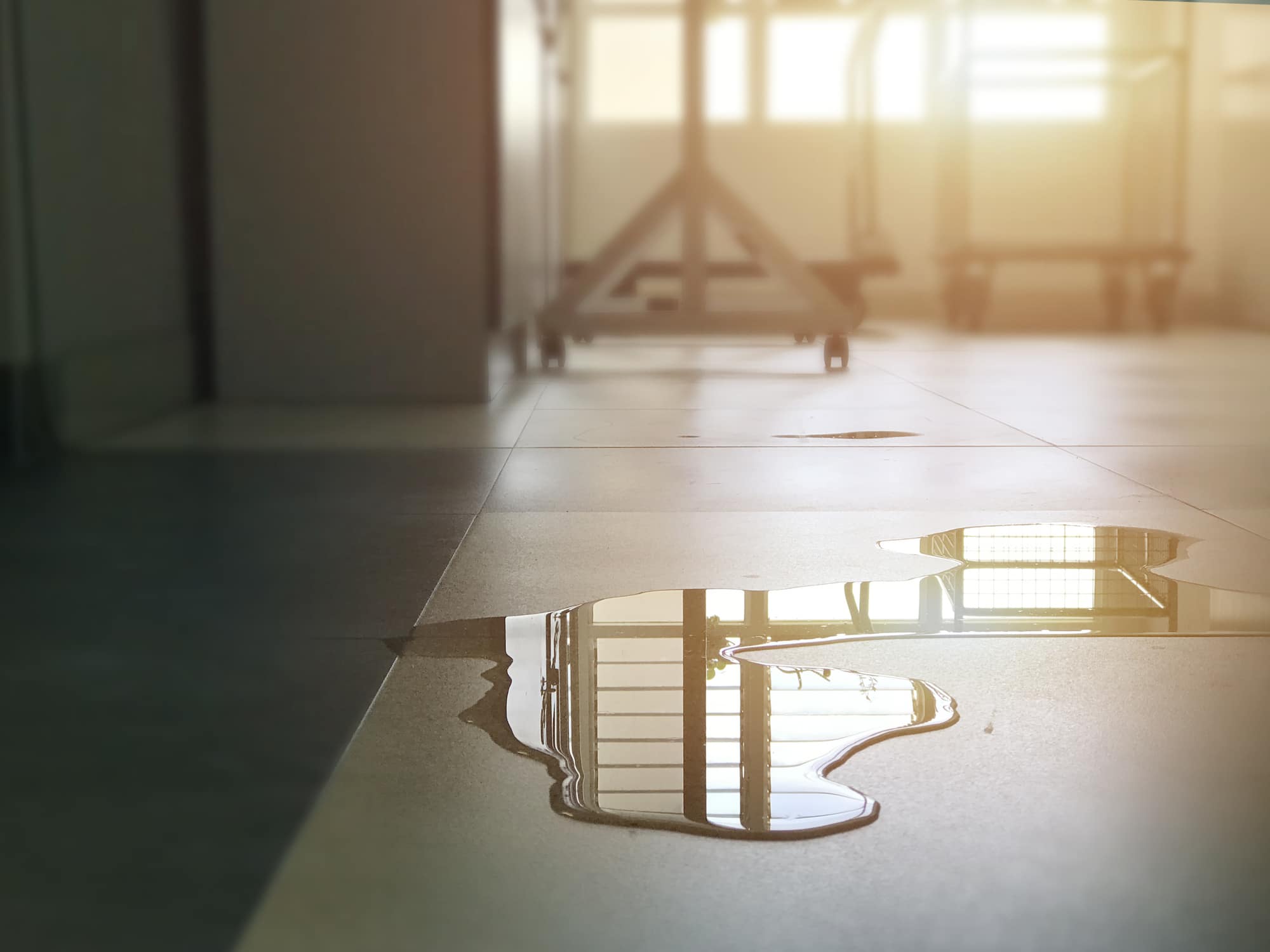
School water damage usually starts small with a ceiling tile that doesn’t change color for weeks, or a sprinkler line dripping steadily into a wall cavity nobody checks. Everything appears fine right up until the day it isn’t.
Educational facilities carry risks that most commercial buildings don’t. Summer maintenance windows, aging infrastructure, and a building that fills to capacity the moment doors reopen all add up fast. A slow leak that sat undetected in June can become a flooded hallway in August, right as staff are prepping classrooms and administrators are juggling a hundred other reopening tasks.
Here’s what facility managers need to know about preventing and responding to water damage before the first bell rings.
TL;DR: The Back-to-School Breakdown
- Summer break is when leaks go undetected the longest, since buildings sit unoccupied for weeks.
- HVAC systems, aging plumbing, and flat roofs are the most common failure points in Nashville schools.
- A flooded classroom or cafeteria can delay reopening and disrupt an entire district’s schedule.
- Fast educational facility restoration limits closures, protects students, and keeps insurance claims moving.
- A pre-opening inspection catches problems while they’re still cheap to fix.
Why Schools Are Especially Vulnerable This Time of Year
Most commercial buildings have someone moving through them all summer. Schools usually don’t. Ten weeks of low occupancy means nobody’s around to catch a dripping pipe, a failing sump pump, or a rooftop unit sending condensate straight into the ceiling tiles above a classroom.
Nashville’s summer humidity and afternoon storms only make it worse. By the time staff walk back in to set up rooms for the new year, a leak that started in June has had all summer to spread.
It’s not just the empty hallways working against a school building either. Custodial staff is often reduced to a skeleton crew over break, HVAC systems get powered down or run on limited schedules to save on utility costs, and entire wings can sit locked and unchecked for weeks at a time. A problem that would get caught in a day at a busy office building can go unnoticed in a school for the better part of a season.
By the time anyone’s back in the building full-time, the leak isn’t new anymore. It’s established, and it’s had time to soak into subflooring, insulation, and framing that nobody’s going to see until the damage is already done.
5 Common Water Damage Risks During Fall Reopening
Every Nashville campus has its own quirks, but a few risks tend to show up again and again:
- HVAC condensate lines. Rooftop units run overtime in the summer heat, and clogged condensate drains send water straight into ceiling cavities above classrooms and offices.
- Aging plumbing in older wings. Many Middle Tennessee schools have additions built decades apart. Older pipe joints and fixtures fail far more often than anything in a newer wing.
- Flat and low-slope roofing. Storm damage or ponding water on flat roofs, common over gymnasiums and cafeterias, creates slow leaks that travel before they ever show up on a ceiling tile.
- Irrigation and landscaping systems. Automatic sprinklers running unmonitored all summer can overwater foundations and push moisture into basements or crawl spaces.
- Kitchen and cafeteria plumbing. The commercial-level plumbing Nashville schools rely on for food service sees heavy daily use during the year and almost none over summer, which is exactly when supply lines and connections tend to fail unnoticed.
Warning Signs Facility Managers Should Catch Before Day One
A walkthrough before staff and students return can catch most of this. Look for:
- Ceiling stains or discoloration in classrooms, hallways, and gyms
- Musty odors in storage rooms, locker rooms, or closets that stayed shut all summer
- Soft or warped flooring near exterior walls and entryways
- Higher-than-normal water bills over the summer months
- Visible mold in low-traffic areas like equipment rooms or basements
- Standing water or damp insulation in mechanical rooms
Pro Tip: Thermal inspection can check for moisture behind walls and above ceilings without tearing anything apart, which matters when you’re working against a tight reopening timeline.
What Happens When Campus Flood Cleanup Gets Delayed
A flooded classroom on day one doesn’t stay contained to one room. Water travels through subfloors, into adjoining rooms, and behind walls shared with hallways and offices. Mold can begin developing on wet materials within 24 to 48 hours, which puts staff and students at risk right as the building fills back up.
Every day a flooded space stays wet is a day closer to losing that classroom, gym, or cafeteria for the rest of the semester instead of a few days. For a district already tight on space and schedule, that’s not a minor inconvenience.
What Professional Water Mitigation Looks Like for Schools
Educational facilities need a different pace and approach than a typical office building. Here’s what a professional response looks like:
- Emergency response. A 24/7 team can respond before the next school day starts, which matters when reopening dates aren’t flexible.
- Leak detection and moisture mapping. Thermal imaging finds the source of the problem, not just the visible symptom.
- Water extraction. Industrial equipment removes standing water fast, before it spreads into adjoining classrooms or hallways.
- Structural drying. Complete drying is what actually stops mold before it starts.
- Clearance and reopening. A final inspection confirms the space is dry and safe before students or staff return.
The goal is always the same. Get the space usable again with as little disruption to the school calendar as possible.
Documentation Matters for Insurance and District Budgets
Sudden water damage, like a burst pipe or storm-related roof failure, is typically covered under most commercial property policies. Damage from a leak that went unaddressed for months often isn’t. Photograph everything as soon as it’s discovered, and loop in a restoration team that understands how to document a claim the way insurers expect.
Don’t Let Water Damage Push Back Your School Year
A leaking pipe or a soggy ceiling tile in July is manageable. The same problem discovered the week before students arrive is a scheduling crisis. Building in a pre-opening walkthrough, watching for early warning signs, and having a restoration partner on call gives facility managers one less thing to worry about heading into the fall.
If your campus is dealing with water damage, or you want an inspection before the year starts, AccuWorks is available 24/7 for water mitigation Nashville schools and districts have counted on for years. Call today to schedule your inspection and keep your campus on track for day one.