
Expert Flood Damage Restoration in Nashville, TN
Rising water can move quickly through a property and leave surfaces saturated, weakened, or difficult to navigate. Our team at AccuWorks responds with a clear plan that helps bring stability back to your Nashville home or business. We start by identifying the areas with the most impact, so the recovery process begins with strong direction.
During flood restoration, we remove standing water, dry affected materials, and check for moisture that can settle into hidden spaces. We use careful evaluations to guide decisions about what can be saved, cleaned, or rebuilt. Each step centers on restoring comfort and protecting the long-term condition of your property.
Flooding can feel overwhelming, and steady progress helps ease that pressure. By maintaining organized communication and detailed follow-through, we work to create a safe foundation for continued repairs and full restoration. For flood damage restoration services in Nashville, contact us.

Health Concerns After Floodwater Exposure
Floodwater often carries more than just moisture. When water enters a home during a flood, it may contain contaminants that affect surfaces, air quality, and the safety of anyone entering the space. Understanding these risks helps homeowners make informed decisions about cleanup and restoration.
Common health concerns associated with floodwater include:
These hazards are why professional flood cleanup is essential for safety and long-term protection. Proper cleaning, drying, and disinfection help restore healthier conditions and reduce risks for families returning to their homes.
Other Storm Damage Restoration Services
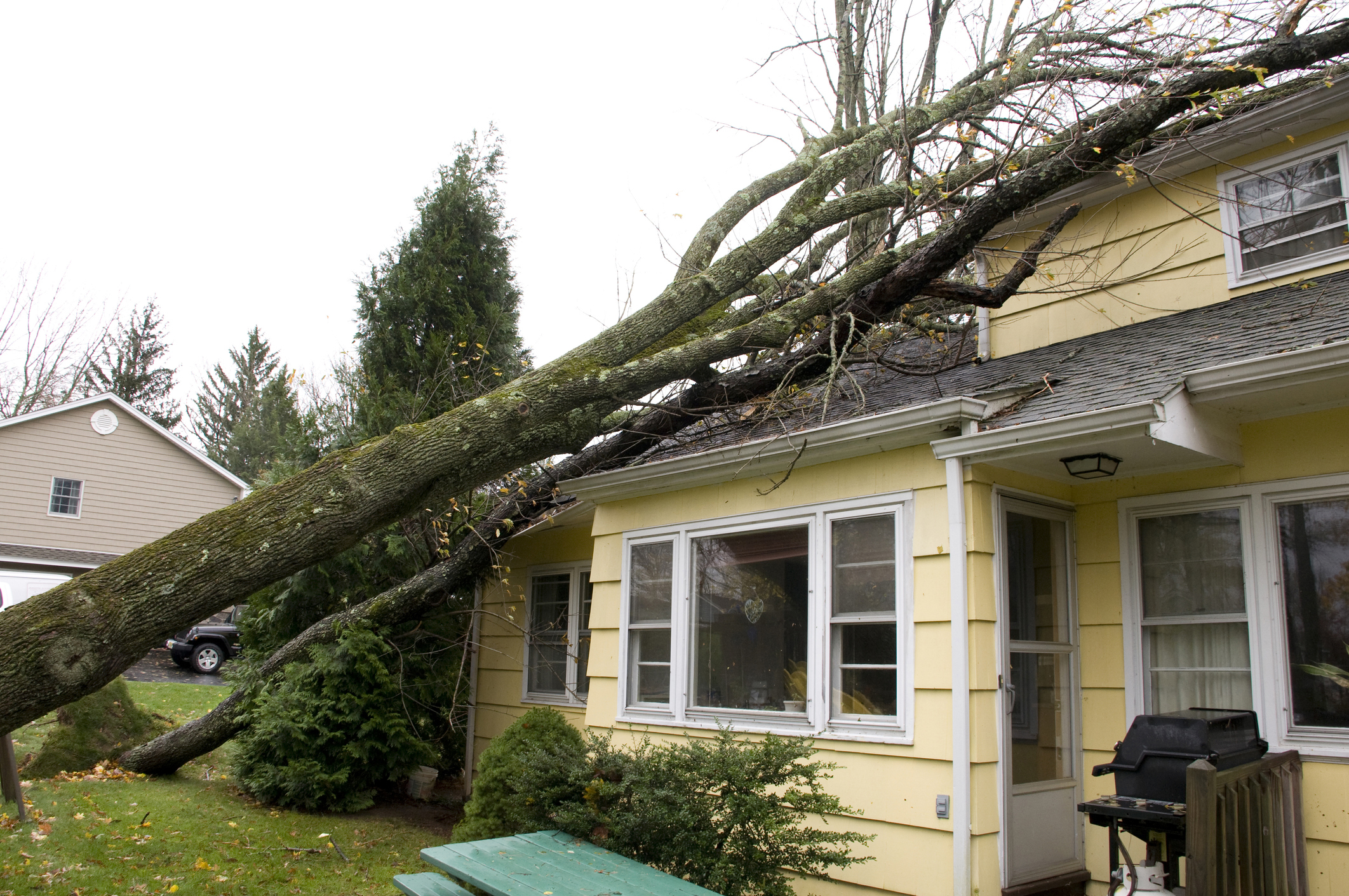
Flood damage often occurs alongside other storm-related issues, and full restoration may require additional services to stabilize the structure and address hidden problems. Supportive storm restoration work helps manage wind damage, structural impacts, and emergency concerns that accompany rising water.

Flood Damage Restoration FAQs
Flood damage brings unique concerns about contamination, structural safety, and the time required for recovery. Clear information helps property owners understand what to expect as water damage restoration begins.
These FAQs outline how flood cleanup works, what makes floodwater more dangerous, and how professionals handle drying, disinfecting, and long-term protection.
Floodwater is categorized by contamination level. Understanding the difference helps determine how cleanup and disinfection should be handled to protect both property and health.
Main types of floodwater include:
How professionals help: Our flood restoration team identifies the water category and applies appropriate extraction, drying, and sanitization methods. We document contamination levels to guide both cleaning and insurance reporting.
Why this matters: Knowing the type of floodwater determines the safest and most effective restoration approach.
Floodwater can start damaging structural materials within hours. The longer it remains, the deeper moisture seeps into wood, drywall, and concrete, increasing the risk of mold, warping, and foundation instability.
Typical timelines for flood-related structural damage include:
How professionals help: Our flood response crew extracts standing water immediately, then deploys drying and dehumidification equipment to protect the structure. We monitor progress daily to confirm complete moisture removal.
Why this matters: Fast water removal prevents extensive material loss and keeps your property structurally sound.
Certain household materials absorb water quickly and can’t always be disinfected once contaminated. These items often require specialized cleaning or replacement to protect your home’s safety and hygiene.
Common household items most affected by flood contamination include:
How professionals help: Our restoration team evaluates all affected contents and building materials to determine what can be safely restored. We prioritize salvageable items while removing those that pose long-term contamination risks.
Why this matters: Replacing unsalvageable materials protects your family’s health and prevents future odor or mold problems.
Floodwater can severely compromise electrical systems, even if the damage isn’t immediately visible. Water conducts electricity and leaves behind residues that corrode components, creating serious fire and shock hazards.
Common electrical problems caused by flooding include:
How professionals help: Our licensed restoration technicians coordinate with certified electricians to inspect, clean, and replace any compromised wiring or fixtures. Power is not restored until every component tests safe for use.
Why this matters: Addressing electrical damage properly prevents hidden fire risks and protects the long-term safety of your property.
After severe flooding, some building materials absorb too much moisture or contamination to be safely restored. Replacing these materials helps protect structural integrity and long-term indoor air quality.
Common materials that often require replacement include:
How professionals help: Our restoration team removes unsalvageable materials and documents every replacement for insurance purposes. We install new, code-compliant materials once the structure is fully dry and disinfected.
Why this matters: Replacing contaminated or weakened materials creates a clean, stable foundation for rebuilding and prevents recurring issues down the line.
Recover With Insight: Guidance From the AccuWorks Blog
Our blog helps Nashville homeowners and businesses understand the unique challenges that come with flood damage. You’ll find information on contamination risks, moisture movement, cleanup timelines, and the steps that support a full recovery.
Once you finish reading, visit our FAQ page for practical answers about drying, sanitizing, and protecting your property after a flood.

Reach Out to Nashville’s Flood Damage Restoration Specialists
Floodwater can affect every part of a property, from flooring and walls to air quality and structural materials. Our Nashville team provides detailed flood restoration services that remove contaminated water, dry affected areas, and help protect your space from long-term issues.
We approach every project with careful assessment and clear communication so you know exactly what comes next. Contact us today to schedule flood damage restoration and begin creating a safer, cleaner environment.