
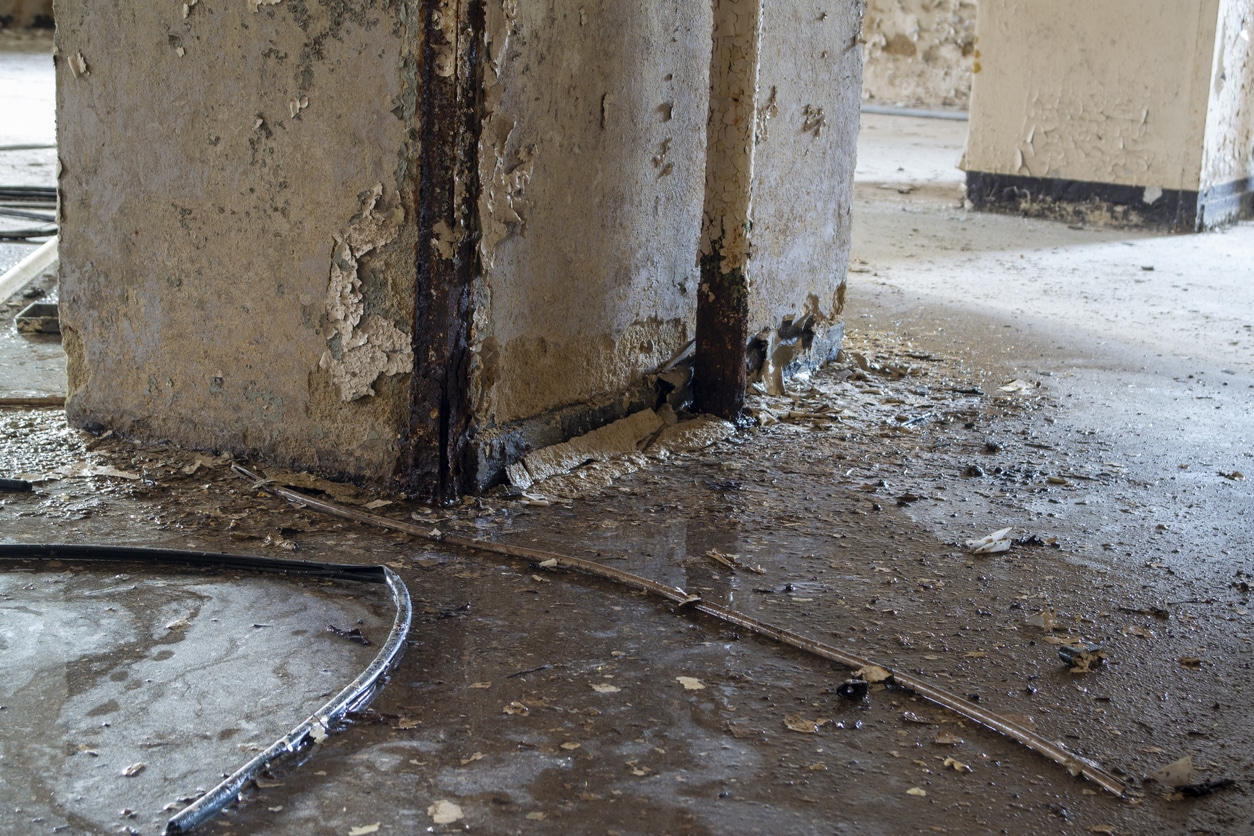
If you have a basement in Middle Tennessee, spring is the season to watch closely. Nashville averages more than 4 inches of rain in both March and April, and that water has to go somewhere. When the ground is already saturated from winter moisture, it often ends up in your basement.
Basement flooding in Nashville is not random bad luck. There are specific reasons why spring conditions in this region push water into homes, and knowing those reasons can help you act before the damage starts. This post breaks down the main causes, the warning signs to watch for, and what to do if water gets in.
Nashville Basement Flooding at a Glance
- Nashville’s spring rainfall frequently exceeds the capacity of local soil to absorb, sending water toward foundations.
- Clay-heavy Middle Tennessee soil holds moisture and increases hydrostatic pressure against basement walls.
- Sump pump failure is one of the leading causes of basement flooding during spring storms.
- Foundation cracks and poor drainage are the most common entry points for water.
- A fast response to water intrusion reduces the risk of mold and structural damage.
Spring Rainfall in Nashville Adds Up Fast
Nashville sits in a region that sees some of the heaviest spring rainfall in the Southeast. March through May consistently rank among the wettest months of the year, with totals that can top 15 inches of rain across the season.
When rain arrives in concentrated bursts—which is common here—the ground cannot absorb water fast enough. Runoff builds quickly, drainage systems get overwhelmed, and water starts looking for the lowest available space. In a home with a basement, that space is right below your feet.
Why Nashville Soil Makes Flooding Worse
The ground beneath much of Middle Tennessee is high in clay content. Clay soil does not drain well. After a stretch of wet weather, it becomes saturated and essentially stops absorbing water. From that point on, any additional rain sits on the surface or runs directly toward the nearest structure.
This creates a condition called hydrostatic pressure, in which water exerts pressure on your foundation walls from the outside. Over time, that pressure finds weak spots—a hairline crack, a gap around a pipe, a poorly sealed joint—and forces water through.
What Hydrostatic Pressure Actually Does to a Foundation
Most foundation leaks do not start as dramatic failures. They start as small seepage points that grow. Signs to watch for include:
- White mineral deposits (efflorescence) on basement walls
- Damp or discolored patches along the base of the walls
- A musty smell that gets stronger after rain
- Cracks in the wall that appear to widen over time
If you notice any of these, water is already getting in somewhere. The longer it goes unaddressed, the more it costs to fix.
The Most Common Ways Water Gets Into Nashville Basements
Water does not need a large opening to cause serious damage. The most frequent entry points are:
- Foundation cracks: Settling, freeze-thaw cycles, and hydrostatic pressure all create cracks that let water in.
- Window wells: Basement windows sit below grade. When drainage around them fails, they collect water and channel it inside.
- Floor and wall joints: The seam where the basement floor meets the wall is a common weak point.
- Pipe penetrations: Any place a pipe enters the foundation is a potential gap.
- Porous concrete blocks: Older block foundations absorb moisture through the blocks themselves, not just through cracks.
Understanding where your basement is vulnerable is the first step toward protecting it.
Sump Pump Failure Is a Bigger Risk Than Most Homeowners Know
A working sump pump is one of the best defenses a Nashville homeowner has against basement flooding. It collects water that accumulates beneath the floor and pumps it away from the house. But sump pumps fail, and they tend to fail at the worst possible time.
The most common reasons a sump pump stops working during a storm include:
- Power outage (spring storms frequently knock out electricity)
- Float switch malfunction
- Clogged or frozen discharge line
- A pump that has simply aged out and lost capacity
Pro Tip: If your sump pump is more than seven to ten years old, have it inspected before spring storm season begins. A battery backup unit is also worth considering—it keeps the pump running even when the power goes out.
Poor Grading and Drainage Send Water Straight to Your Foundation
The slope of the ground around your home matters a great deal. When the grade directs water toward the foundation instead of away from it, every rain event pushes moisture against your walls. Clogged gutters and downspouts that discharge too close to the house make this worse.
During spring, leaves and winter debris tend to accumulate in gutter systems, slowing drainage. Even a short, heavy rain can back up water, sending it cascading directly against the foundation rather than away from it.
A few things worth checking each spring:
- Make sure gutters are clear, and downspouts extend at least four to six feet from the foundation
- Check the slope of the soil against the house—it should fall away, not toward it
- Look for low spots in the yard where water pools after rain
Addressing drainage issues before a storm is far less expensive than addressing water damage after one.
What to Do If Your Basement Floods
If water gets in, the clock starts immediately. Standing water and soaked materials create conditions for mold growth within 24 to 48 hours, according to FEMA flood cleanup guidance. Here is what to prioritize:
- Do not enter a flooded basement if there is any chance that electricity is on. Turn off the power at the breaker first, or call a professional.
- Document everything before removing water. Photos and videos matter for insurance claims.
- Remove standing water as quickly as possible. A wet/dry vacuum or pump works for smaller amounts. Large volumes may need professional extraction equipment.
- Pull wet materials out fast. Carpet, drywall, insulation, and wood all retain moisture and become mold-prone quickly.
- Run dehumidifiers and fans. Air movement is critical for drying the space.
- Call a water mitigation professional. Even when flooding looks minor, moisture often penetrates further than it appears.
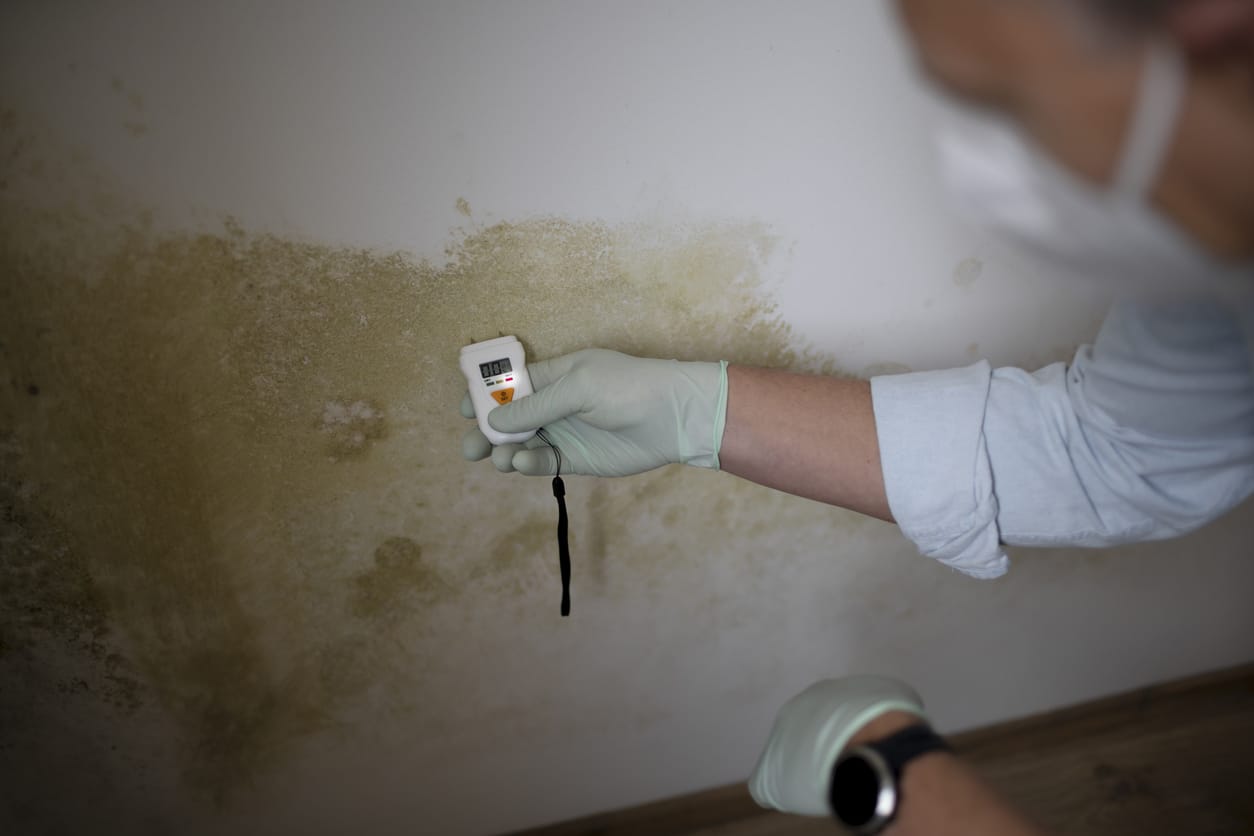
Pro Tip: Many homeowners skip the professional assessment after what seems like a small amount of water. Hidden moisture behind walls and under flooring is one of the most common causes of expensive mold remediation down the road. A professional moisture reading takes the guesswork out.
FAQs About Basement Flooding in Nashville
A few questions come up often when homeowners start thinking about basement flooding risk. Here are the answers:
How do I know if my basement leak is a foundation problem or a drainage problem?
Both can cause similar symptoms, but the timing and location of the water give clues. If water appears along the base of the walls or at the floor-wall joint after heavy rain, drainage and hydrostatic pressure are often the cause. If you see active seepage through visible wall cracks regardless of rain levels, a foundation issue may be contributing. A professional inspection can pinpoint the source and help you choose the right repair approach.
Does homeowner’s insurance cover basement flooding from spring rain?
Standard homeowner’s insurance policies typically do not cover flooding caused by surface water or groundwater, including storm runoff. They may cover sudden and accidental water damage from a burst pipe or a failed sump pump, depending on your policy language.
Flood insurance through FEMA’s National Flood Insurance Program is a separate policy and is the primary way homeowners protect themselves from flood-related losses. Review your policy and talk to your agent before the spring storm season.
How long does it take for mold to grow after basement flooding?
Mold can begin developing within 24 to 48 hours in wet conditions. It spreads fastest in warm, humid environments—which describes a Middle Tennessee basement in spring almost exactly. The faster water is removed and the space is dried out, the lower the risk. If water sat for more than a day before cleanup began, a professional mold assessment is a reasonable precaution.
Protect Your Home Before the Next Storm Hits
Middle Tennessee’s spring season is beautiful, and it’s also one of the most demanding times of year for your home’s foundation and drainage systems. The combination of heavy rainfall, clay soil, and aging infrastructure puts Nashville basements at real risk every March through May. Understanding why water gets in is the first step. Acting on that knowledge before a storm arrives is what protects your home and everything in it.
Dealing With Basement Water Damage? AccuWorks Can Help.
Water damage moves fast, and so should your response. Whether you are dealing with active flooding or signs that water has been getting in for a while, the AccuWorks team is ready to assess the damage and get your home dry. We serve homeowners across Nashville and Middle Tennessee with professional water mitigation services designed to protect your property and your peace of mind.
Contact AccuWorks today, or call us 24/7 at (615) 292-2009 to speak with someone right away.