
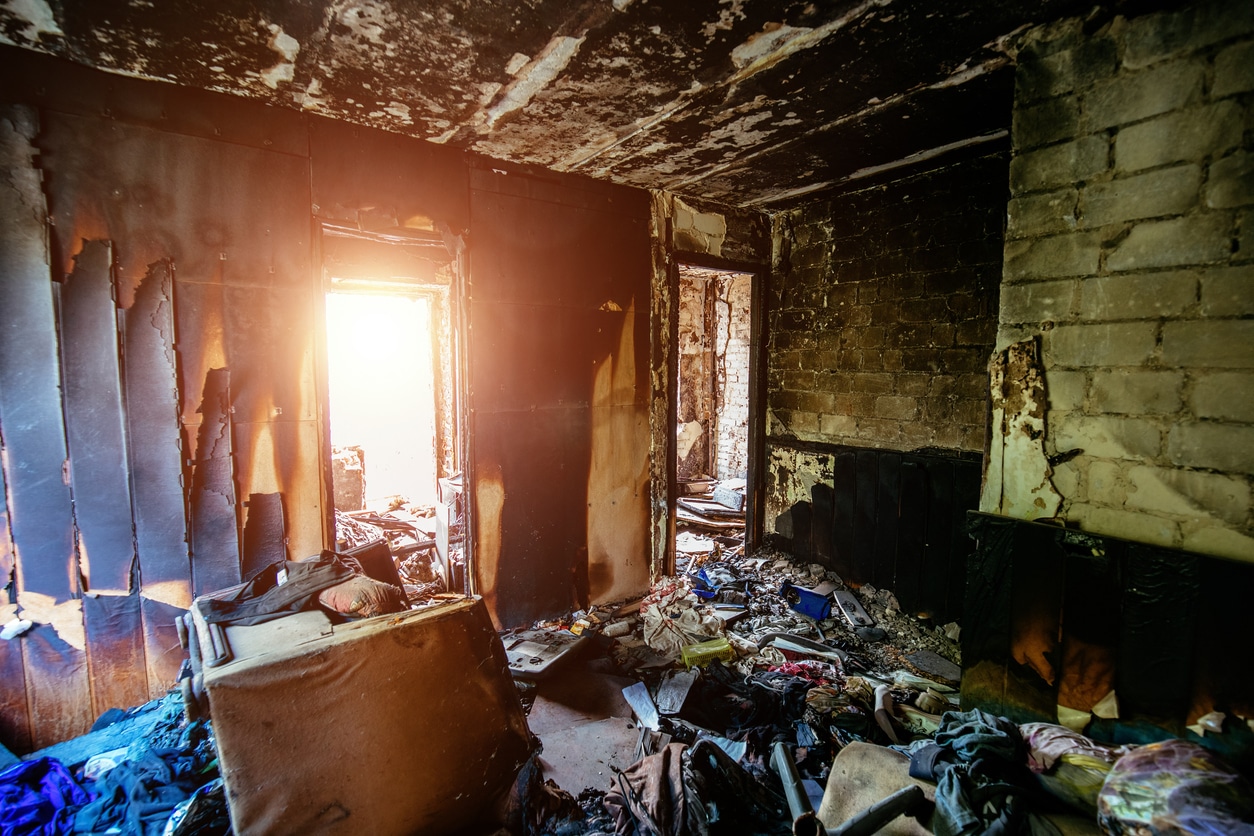
A house fire changes everything in a matter of minutes. When the smoke clears, many Nashville homeowners find themselves standing in the wreckage, unsure what to do next. Nashville fire restoration is a multi-step process, and knowing what to expect can make a real difference in how fast and smoothly your home recovers.
This guide walks you through each stage of fire damage cleanup and recovery, from the moment crews arrive to the final reconstruction. Whether you experienced a small kitchen fire or a larger structural event, understanding the process helps you ask the right questions, make informed decisions, and move forward with confidence.
The Fire Restoration Process at a Glance
- Emergency stabilization comes first to secure your property and prevent further damage.
- A thorough damage assessment determines the full scope of fire, smoke, and soot impact.
- Water and smoke removal address both immediate hazards and lingering odor.
- Structural cleaning and deodorization treat what your nose and eyes can detect.
- Documentation throughout the process supports your fire insurance claim in Nashville.
Step 1: Emergency Response and Property Stabilization
The priority after a fire is making sure the property is safe to enter and secure against further damage. The fire restoration team will board up windows, tarp exposed areas of the roof, and secure entryways. This isn’t optional: open structures are vulnerable to weather, vandalism, and secondary damage that can complicate your insurance claim.
What happens in this phase:
- Structural stability assessment by trained technicians
- Boarding and tarping to prevent weather intrusion
- Utility shut-off verification (gas, electricity, water)
- Initial photo documentation for fire insurance purposes in Nashville
Pro Tip: Contact your insurance company as soon as your family is safe. Prompt reporting helps establish the timeline for your claim and gives your adjuster the information they need early in the process.
Step 2: Damage Assessment and Documentation
Once the property is stabilized, a detailed damage assessment begins. This step covers more than what is visibly charred. Smoke travels through walls, ducts, and hidden spaces, so technicians inspect beyond the obvious burn zones to capture the full picture.
Thorough documentation during this stage directly supports your fire insurance claim in Nashville. Restoration teams typically photograph and log every affected area, identify which items can be salvaged rather than replaced, and prepare a detailed scope of work for the insurer.
The assessment looks at:
- Structural damage from flames and heat
- Soot and smoke penetration throughout the property
- Water damage from firefighting efforts
- Contents inventory — what was damaged, what can be cleaned
Step 3: Water Removal and Drying
Firefighters use a significant amount of water to extinguish a blaze. That water soaks into floors, walls, and insulation; if it isn’t extracted quickly, it leads to mold growth on top of the fire damage. Water removal and structural drying are done before any cleaning begins.
Industrial-grade equipment — including air movers, dehumidifiers, and moisture meters — is used to dry the structure fully. Skipping or rushing this phase is one of the most common reasons homeowners face mold problems weeks after a fire.
Step 4: Soot and Smoke Damage Cleanup
Soot damage repair in Nashville is one of the more labor-intensive parts of the process. Soot is acidic and corrosive, so the longer it sits on surfaces, the more it etches and discolors materials like drywall, wood trim, and metal fixtures. Cleaning needs to start as soon as possible.
Trained restoration technicians use dry sponges, chemical sponges, and HEPA-rated vacuums to remove soot from ceilings, walls, and contents. Different soot types (wet, dry, protein-based) require different techniques, which is why this isn’t a DIY-friendly step.
Common soot-affected surfaces:
- Painted and unpainted drywall
- Wood framing, cabinetry, and trim
- HVAC ducts and air handlers
- Furniture, clothing, and personal belongings
Step 5: Smoke Odor Removal
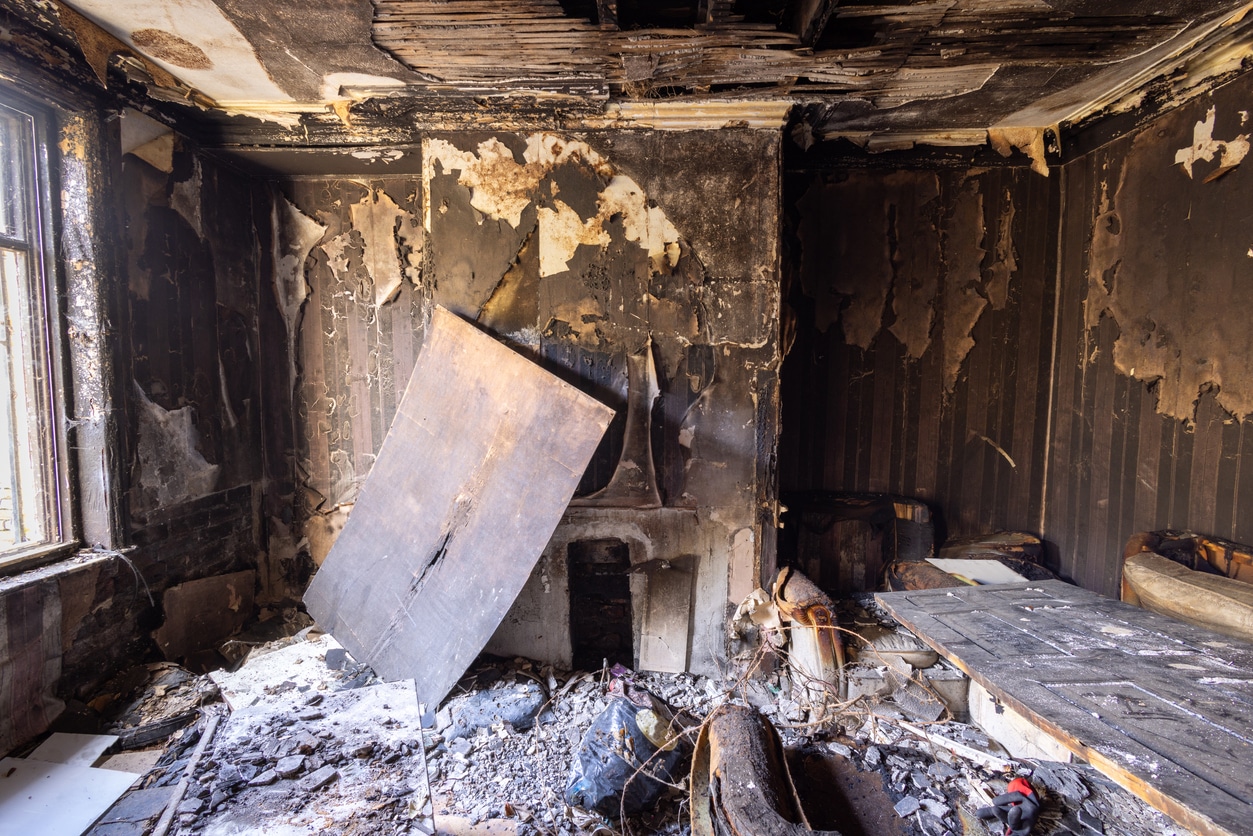
Smoke odor removal in Nashville properties is often the step that takes the longest. The smell from a fire can linger for months if not treated at the source. Surface cleaning alone doesn’t eliminate odor — the smoke particles embedded in porous materials have to be neutralized.
Restoration professionals use a combination of approaches to address this, depending on the severity and materials involved.
Odor treatment methods include:
- Thermal fogging: A deodorizing agent is heated and dispersed as a fog that penetrates the same areas that smoke did
- Ozone treatment: Temporarily removes occupants and neutralizes odor molecules in enclosed spaces
- Hydroxyl generators: Safe for occupied spaces, though slower-acting
- Encapsulation sealers: Applied to surfaces where odor can’t be fully removed by cleaning
Pro Tip: If smoke odor returns after a few weeks, it typically means some materials weren’t fully treated. Don’t repaint or refinish surfaces until the odor issue is resolved, or you will seal the problem in.
Step 6: Contents Cleaning and Pack-Out
Many belongings affected by fire or smoke can be salvaged with professional cleaning. Restoration companies often offer pack-out services, where contents are cataloged, removed from the property, cleaned off-site, and stored until the home is ready.
Items that may be restorable include electronics, furniture, documents, clothing, and collectibles. Your restoration team will provide a written inventory, which is important for your insurance documentation, especially for items that can’t be restored.
Step 7: Structural Repairs and Reconstruction
Once the property is dry, clean, and deodorized, reconstruction begins. Depending on the extent of damage, this can range from replacing drywall and painting to full framing and roofing work. The goal is to return the home to its pre-loss condition.
Working with a restoration contractor that handles both cleanup and rebuilding can simplify the process. It reduces the back-and-forth between separate vendors and keeps documentation in one place for insurance purposes.
Reconstruction often includes:
- Removing and replacing fire-damaged framing, sheathing, and insulation
- Drywall installation and finishing
- Flooring replacement
- Painting and trim restoration
- Cabinetry, fixtures, and final finishes
Navigating Fire Insurance in Nashville
Working through a fire insurance claim in Nashville can feel overwhelming on top of everything else you’re dealing with. Restoration companies like AccuWorks with experience in insurance documentation can be a genuine asset during this phase.
The more organized your documentation, the smoother the claims process typically goes. FEMA’s recovery guidance recommends keeping all receipts, reports, and correspondence with your insurer in one place throughout the process.
What to keep track of:
- Your claim number and adjuster contact information
- All written estimates and damage reports from your restoration contractor
- Photo documentation from each phase of cleanup and repair
- A written contents inventory for damaged personal property
- Receipts for any temporary housing or emergency expenses
Common Questions About Fire Restoration in Nashville
Here are answers to some of the most common questions about fire restoration in Nashville:
How long does Nashville fire restoration take?
It depends on the size and severity of the damage. A contained kitchen fire might be resolved in one to two weeks. A larger structural fire involving multiple rooms can take several months from assessment through full reconstruction. Your restoration contractor should give you a written timeline after the initial assessment.
Can I stay in my home during fire cleanup?
In many cases, no. Soot, smoke residue, and the chemicals used in treatment can affect air quality throughout the home. Even areas that appear undamaged may have elevated particulate levels. Your restoration team and insurance adjuster can help determine when the home is safe to re-enter and occupy.
Will my homeowner’s insurance cover fire damage cleanup in Tennessee?
Most standard homeowner’s insurance policies in Tennessee cover fire damage, including fire cleanup costs and temporary living expenses. Coverage limits and specific terms vary by policy. Review your policy details carefully and ask your adjuster to walk you through what is and isn’t covered before work begins.
What to Remember About Fire Restoration in Nashville
Fire recovery is a process, not a single event. From emergency stabilization through final reconstruction, each step builds on the last, and cutting corners in one phase creates problems in the next. The most important thing you can do is work with experienced professionals and stay organized throughout your insurance claim.
Nashville homeowners who understand what to expect are better equipped to ask the right questions, avoid costly delays, and get back to normal faster. If you aren’t sure where to start, the right fire restoration team will guide you.
Talk to AccuWorks About Your Fire Damage in Nashville
If your home or property has been affected by fire, you don’t have to figure out the next steps alone. AccuWorks handles fire damage restoration, including cleanup, soot removal, smoke odor treatment, and full reconstruction for homeowners and property managers across Middle Tennessee.
Contact AccuWorks today to schedule an assessment and get a clear picture of what your restoration will involve.