
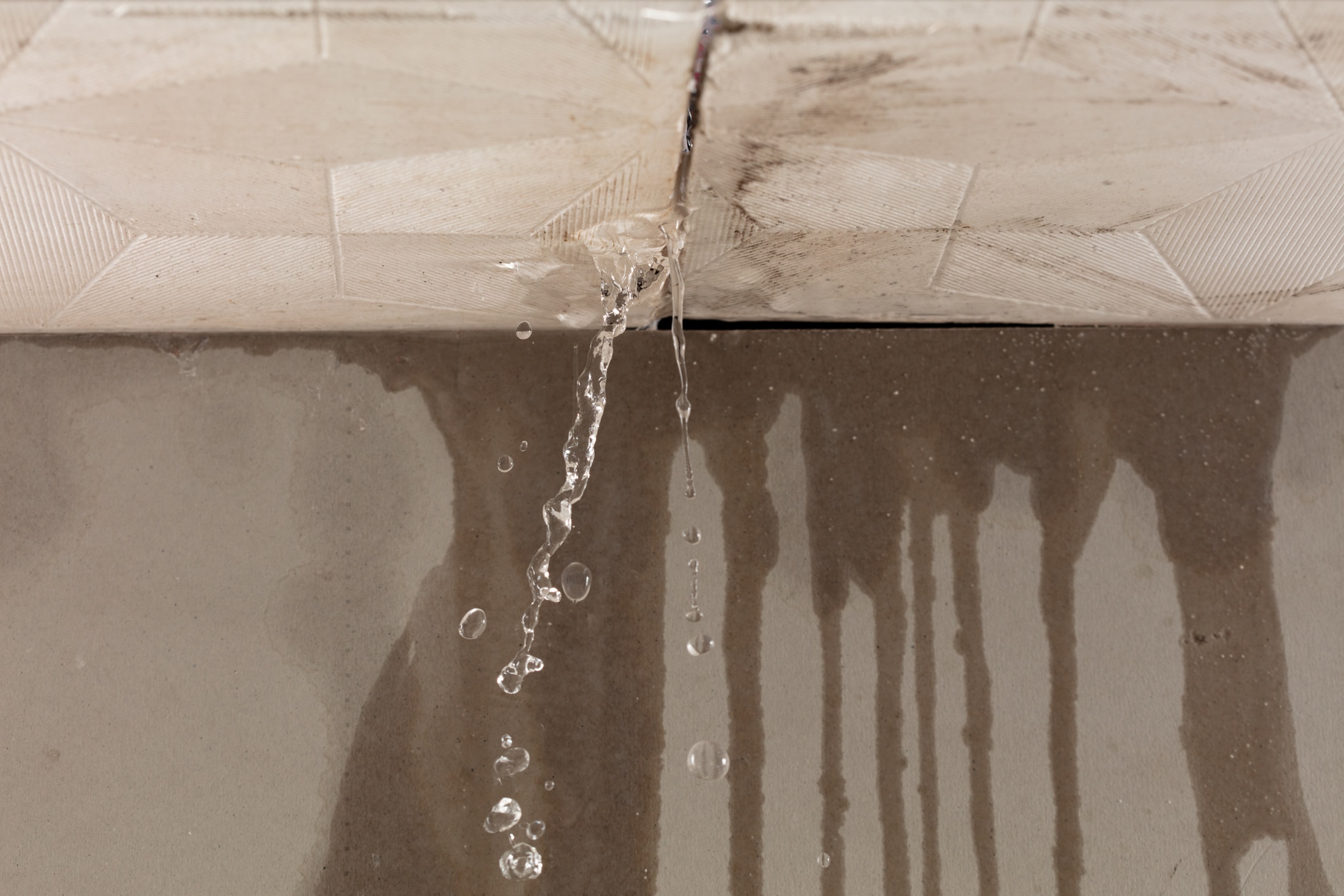
The storm always feels like it’s over too fast, until you walk inside and realize it isn’t actually over at all. A brown ring is spreading across your ceiling, water is dripping somewhere you can’t see, and your mind is already racing to worst-case scenarios.
Here’s the truth: what you do in the next hour matters more than anything a contractor does next week. A roof leak caught fast is a quick fix, while one left to sit overnight can mean soaked insulation, a sagging ceiling, and a repair bill that keeps climbing. Before you panic, here’s exactly what to do.
5 Things to Do in the First Few Hours After a Roof Leak
If you’re dealing with a roof leak Nashville storms just caused, the next hour is where you win or lose this fight. Here’s how to get through it without making things worse.
1. Contain What You Can
Grab whatever’s closest, buckets, towels, even a trash can if that’s what’s on hand, and get it under the drip. Then clear the area. Move furniture, rugs, and anything you care about away from the water’s path. It feels small in the moment, but every minute you buy here is a minute less damage spreads to things you’d rather not replace.
2. Relieve Pressure on Bulging Ceilings
If you spot a ceiling that’s sagging or bubbling, resist the urge to just watch and hope. Trapped water behind drywall is heavy and will eventually find its way down, usually by collapsing a section onto your floor. A small, controlled puncture in the lowest point of the bulge lets that water drain in a controlled way, with a bucket underneath, instead of turning into a much bigger mess later.
3. Document Everything
Before you clean anything up, walk through with your phone and take photos and video of the leak, the ceiling or wall damage, and anything affected below it. This isn’t just for your own memory; it’s the paper trail your insurance company will ask for, and having it before repairs begin makes the claims process considerably less painful.
4. Avoid the Temptation to Wait It Out
Once the rain stops and the dripping slows, it’s tempting to breathe a sigh of relief and deal with it later. Don’t. The water that’s already inside your ceiling, walls, and attic doesn’t evaporate on its own timeline. It keeps soaking into insulation and framing whether or not the sky is still gray outside, and every extra hour it sits is an hour closer to warped flooring, swollen drywall, or a repair that used to be a patch job.
5. Call in Professional Help Quickly
This is the step that actually stops the clock. The sooner emergency water extraction and proper drying equipment go to work, the less likely you are to deal with secondary issues like mold growth, warped subfloor, or weakened framing. Moisture that sits for more than a day or two significantly raises the risk of lasting damage, so this isn’t a wait-and-see call; it’s a make-it-now call.
Quick Safety Note: If water is pooling near outlets or light fixtures, or you see a ceiling actively caving or hear cracking, get everyone out of the area immediately and cut power at the breaker if it’s safe to reach. Call a 24/7 emergency line right away.
Signs You Might Have an Attic or Ceiling Leak
Not every leak drips where you can see it. Some hide out in your attic for days before announcing themselves. Keep an eye out for:
- Discolored or sagging patches on ceilings or upper walls
- A musty smell that shows up after a storm and doesn’t go away
- Water spots on attic insulation or rafters
- Peeling paint or bubbling drywall near the roofline
- Upstairs rooms that suddenly feel more humid than usual
If you’ve poked your head into the attic recently and noticed damp insulation or dark streaks along the rafters, that’s your cue. It’s worth getting an attic leak repair professional out to take a look before that hidden moisture works its way into your living space.
What Else You Should Know Once the Water Stops Dripping
You’ve contained the leak, made the call, and the immediate panic is starting to fade. But a few questions are probably still nagging at you: why did this happen, could it happen again, and is a fan really enough to finish the job? Here’s what’s actually going on behind that ceiling stain.
Why do summer storms cause so many roof leaks in Nashville?
Middle Tennessee’s summer storms roll in fast, dump heavy rain in a short window, and bring gusty, straight-line winds that drive water sideways under shingles and around flashing. Combine that with aging shingles or clogged gutters, and even a routine storm can find its way inside. It’s a big reason summer storm water damage among TN homeowners tends to spike between June and September.
How do I know if there’s a hidden leak I haven’t spotted yet?
Watch for musty smells, discolored ceiling patches, water spots on attic insulation, or upstairs rooms that suddenly feel more humid. If you notice damp insulation or dark streaks along the rafters, it’s time to call in attic leak repair professionals. Hidden leaks can go unnoticed for days before they show up on your ceiling.
Do I really need professional water restoration, or can I dry it out myself?
A box fan can handle a small, isolated spot, but stormwater travels farther than it looks and hides in insulation and wall cavities long after the surface feels dry. Real water restoration services use thermal imaging and moisture meters to find it, then extract and dry it properly. Skipping that step often means dealing with mold later.
The Clock Starts the Moment Water Gets In
Every hour you don’t act, water is making decisions for you. It’s deciding whether that stain stays cosmetic or becomes a full ceiling replacement, whether your insurance claim covers a quick repair or a much larger reconstruction, and whether this ends in a weekend project or weeks of work.
The visible drip is never the real story; it’s just the part loud enough to get your attention. What happens next depends entirely on how quickly you respond. That’s where AccuWorks comes in. We’ve spent years working alongside Nashville homeowners and businesses to get ahead of storm damage before it turns into something bigger, with the emergency response and restoration experience to make sure that first hour works in your favor, not against you.
Get Storm Damage Restoration Help in Nashville, Fast
When you call AccuWorks, our team mobilizes quickly with the extraction and drying equipment needed to get ahead of the damage, and we work directly with your insurance company so you’re not left managing paperwork alone.
If summer storm damage has left you with a roof leak or ceiling damage, call us at (615) 292-2009 or contact us online to get help fast.