
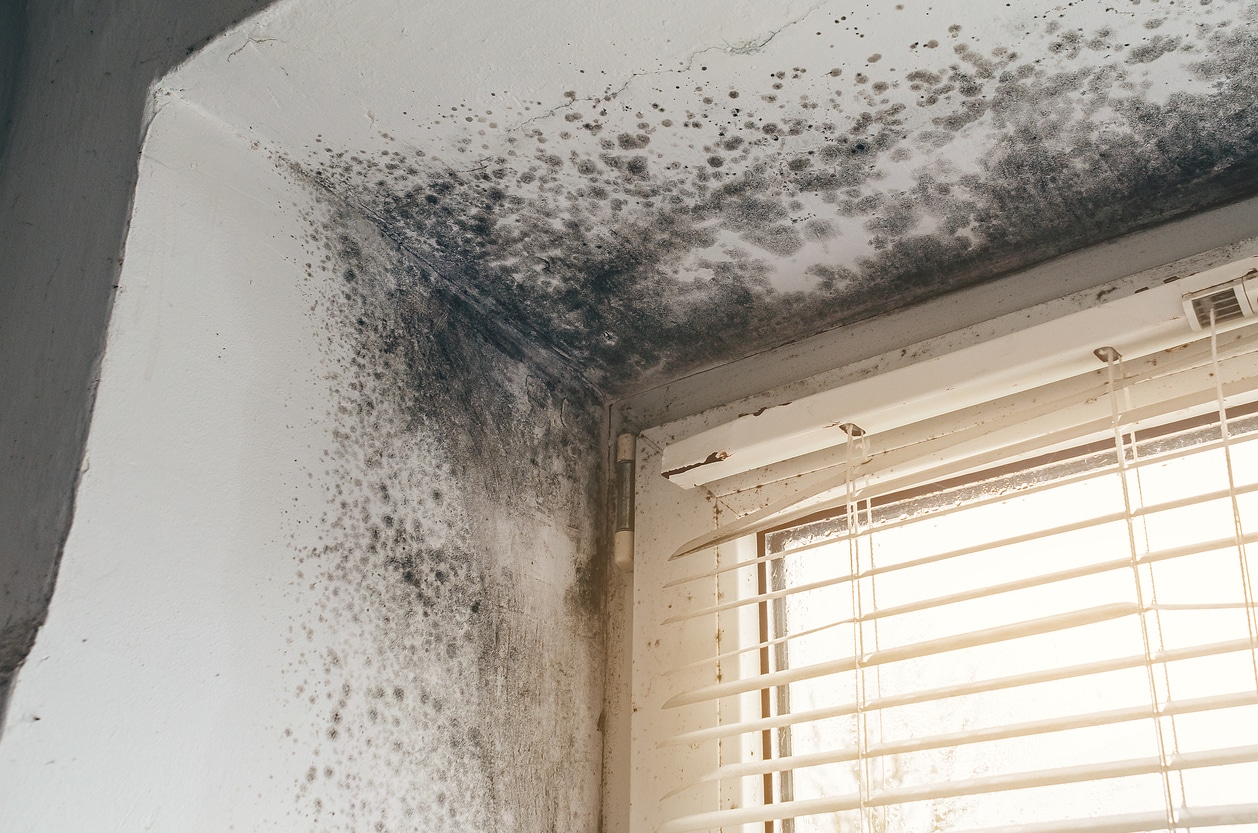
If you’ve spent a summer in Nashville, you know the humidity is no joke. What you might not realize is that the same thick, sticky air that follows you inside is quietly creating conditions for mold to take hold in your walls, under your floors, and above your ceiling tiles. Nashville mold removal calls spike every summer for a reason.
This blog explains why Tennessee‘s humid climate puts homes and businesses at elevated risk, what warning signs to watch for, and the most effective steps you can take to prevent mold from becoming a serious problem.
Nashville Mold Issues at a Glance
- Nashville summers regularly push indoor humidity into the danger zone for mold growth.
- Mold can begin developing within 24 to 48 hours when moisture and warm temperatures combine.
- Poor ventilation, hidden leaks, and insufficient air conditioning all accelerate the risk.
- Both residential and commercial properties are vulnerable, and mold rarely stays contained in one spot.
- Professional assessment and humidity control are the most reliable long-term solutions.
Why Nashville’s Climate Is a Mold Breeding Ground
Tennessee sits in a region that routinely ranks among the most humid in the country during the summer months. Nashville’s average relative humidity in July hovers around 70% or higher, and improperly conditioned indoor spaces can climb even further. Mold doesn’t need much of an invitation—it only requires a moisture source, warmth, and an organic surface to feed on.
The 24–48 Hour Window
One of the most important things Nashville property owners need to understand is how fast mold moves. According to the EPA, mold can begin to grow within 24 to 48 hours of a moisture event. That means a slow leak behind a wall, condensation collecting on ductwork, or a poorly ventilated bathroom can create a problem in less than two days, often without any visible sign that something is wrong.
Indoor Humidity vs. Outdoor Humidity
Outdoor humidity doesn’t have to enter your space directly to cause trouble. When warm, humid air meets cool surfaces like air conditioning ducts, basement walls, or concrete floors, condensation forms. This is one of the most common and underestimated causes of summer mold in Tennessee homes and commercial buildings alike. Keeping indoor relative humidity between 30% and 50% is the EPA-recommended standard for mold prevention.
Common Entry Points and Problem Areas
Mold doesn’t show up randomly—it follows moisture. Knowing where moisture tends to accumulate in Middle Tennessee properties gives you a significant head start on prevention.
Residential Hot Spots
In homes, mold most frequently develops in:
- Bathrooms and laundry rooms where steam and standing water are routine
- Attics with poor ventilation trap summer heat and moisture
- Crawl spaces that absorb ground moisture and lack proper vapor barriers
- Around HVAC systems where condensation collects on coils and drain pans
- Behind walls near plumbing that has a slow or intermittent leak
These areas are particularly problematic because they’re often out of sight and go unchecked for weeks or months.
Commercial Property Risks
Commercial buildings face their own set of vulnerabilities. Large HVAC systems, flat or low-slope roofs, break rooms, restrooms, and spaces with high foot traffic and variable occupancy all create opportunities for moisture to accumulate undetected. A mold problem in a commercial setting can also carry significant consequences—from employee health complaints to regulatory scrutiny—making proactive humidity control in Nashville businesses a smart operational investment.
Mold Prevention Tips for Nashville Homes and Businesses
Prevention is significantly less costly than remediation. The following steps are practical, effective, and appropriate for both residential and commercial properties.
Control Indoor Humidity
A quality dehumidifier or properly sized HVAC system is your first line of defense. For larger properties, a whole-building humidity management strategy may be warranted. Consider:
- Installing a hygrometer to monitor indoor relative humidity in real time
- Scheduling seasonal HVAC maintenance to ensure your system is removing moisture effectively
- Adding dehumidification in basements or crawl spaces where your central system has limited reach
Improve Ventilation
Stagnant air accelerates mold growth. Exhaust fans in bathrooms and kitchens should vent to the outside, not into attic spaces. Commercial kitchens, laundry facilities, and any space with consistent moisture generation need dedicated ventilation that’s properly maintained.
Address Leaks and Water Intrusion Promptly
Even a minor drip, if left unaddressed, can fuel mold growth behind walls or under flooring before you see any surface signs. A general rule: if a water intrusion event occurs, you’ll want to dry affected materials within 24 to 48 hours. If that window has passed, a professional moisture assessment is the safer path forward.
Frequently Asked Questions About Mold Prevention
How quickly can mold grow in a humid Nashville home during summer?
Mold can begin developing within 24 to 48 hours when moisture levels are elevated, and temperatures are warm—both of which are common conditions in Nashville during July and August. This rapid onset is why water intrusion events should be addressed immediately rather than monitored over time.
Even a slow buildup of condensation in a crawl space or around HVAC equipment can create a viable mold environment within days. If you’re not sure whether a moisture issue has been fully resolved, a professional moisture assessment can confirm whether drying was sufficient or whether intervention is needed.
Is summer mold in Tennessee a health risk?
Mold exposure can cause a range of health effects depending on the species, concentration, and individual sensitivity. Common symptoms include nasal congestion, coughing, throat irritation, and eye irritation—effects that are often mistaken for seasonal allergies. People with asthma, existing respiratory conditions, or compromised immune systems tend to experience more significant reactions.
The concern isn’t limited to residents; in commercial settings, mold-related air quality issues can affect employee productivity and well-being. If occupants are experiencing symptoms that correlate with time spent in a specific space, an indoor air quality evaluation is worth pursuing.
Can I handle mold removal myself, or do I need a professional?
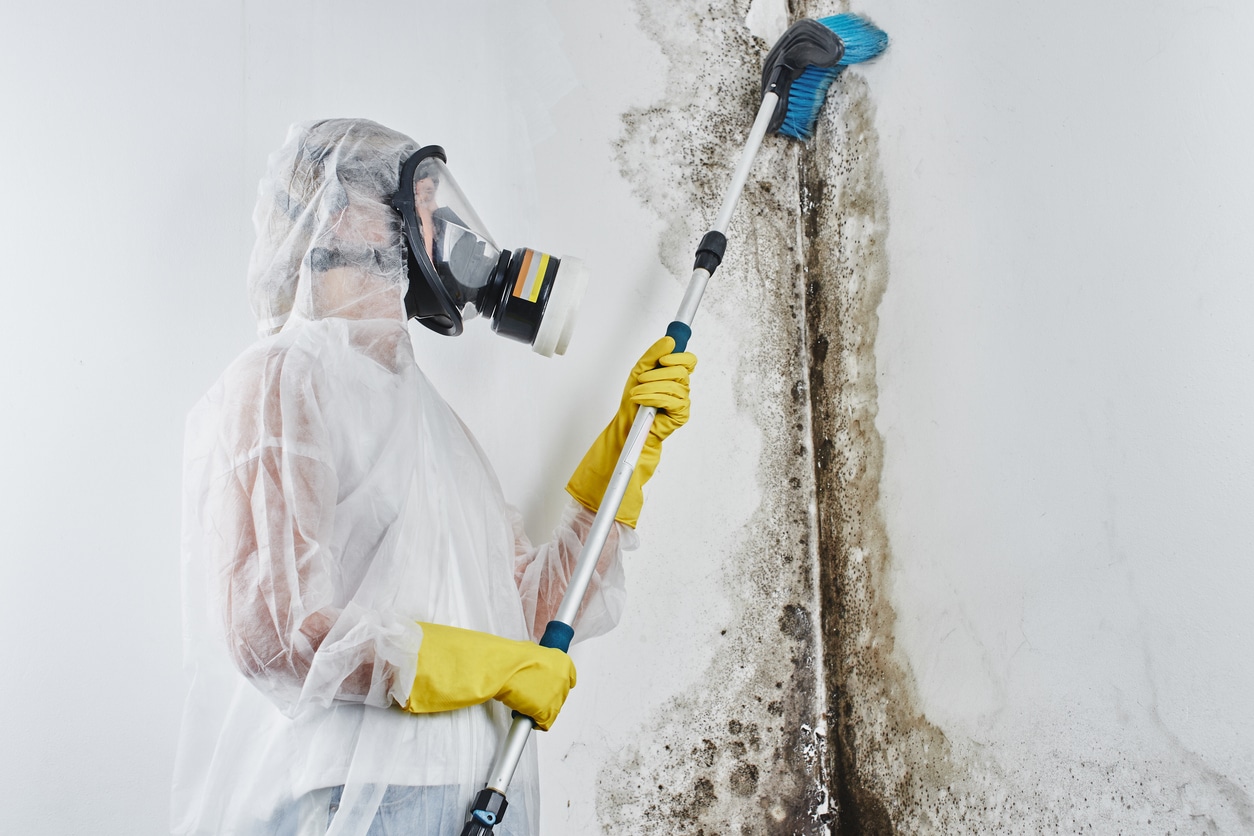
For small, surface-level mold on non-porous materials—like a bit of mildew on a tile surround—cleaning with an appropriate solution and improving ventilation may be sufficient. However, mold that has penetrated porous materials like drywall, insulation, or wood framing requires professional remediation to be addressed safely and completely. Attempting to remove embedded mold without proper containment often disturbs spores and spreads contamination to adjacent areas. For any widespread, recurring, or HVAC-related mold growth, professional Nashville mold removal is the appropriate course of action.
Keep Nashville’s Humidity from Taking Over Your Property
Nashville summers are relentless, and the humidity that comes with them doesn’t stop at your front door. Mold thrives in the exact conditions Middle Tennessee experiences from June through September, and it rarely announces itself until the problem is already significant. Staying ahead of it means understanding the risks, monitoring your property, and acting quickly when moisture shows up where it shouldn’t.
Talk to AccuWorks About Mold and Humidity Control
AccuWorks serves both residential and commercial properties throughout the Nashville area with professional mold assessment, remediation, and indoor air quality solutions. If you’ve noticed signs of mold, or you just want peace of mind heading into summer, reach out to our team. Call us at (615) 292-2009 or contact us online to schedule an assessment.