
Advanced Drying Services for Nashville Homes & Businesses
When water reaches the structure of a building, it doesn’t just sit on the surface. It settles into framing, subfloors, and hard-to-reach spaces where it can linger far longer than expected. Structural drying targets this hidden moisture so your property can recover safely and completely.
At AccuWorks, our team uses controlled airflow, targeted heat, and moisture-monitoring tools to dry deep within the materials that hold your property together. This approach helps protect the structure from swelling, warping, and other long-term damage that often goes unnoticed until problems appear.
Structural drying brings your space back to a solid, dependable foundation, setting the stage for smooth restoration and lasting stability. Contact us today for professional structural drying services in Nashville.

How Structural Drying Protects Your Property
Even a small amount of water can travel deep into a building’s framework, reaching materials you would never see from the outside. Moisture gets into subfloors, framing, drywall, and insulation, where it slowly weakens the materials that hold your property together. Deep structural drying removes this hidden moisture, so these components stay strong, stable, and ready for long-term use.
Water that remains inside walls or floors does more than warp wood or damage drywall. It raises humidity, affects air quality, and creates slow-developing problems that may not appear until months later. Thorough drying helps prevent those issues and gives the property a solid foundation for any cleaning or repairs that follow.
Professional structural drying uses controlled airflow, heat, and moisture monitoring to pull water out of materials that cannot dry on their own. This level of care supports a safer environment, shortens the restoration timeline, and reduces the risk of future damage hiding beneath the surface.
Other Water Damage Restoration Services
Structural drying often works best when paired with other targeted water damage restoration steps. Some areas need water extraction before deep drying can begin, while others require humidity control to keep moisture from settling back into materials.

Structural Drying Services FAQs
Structural drying often raises questions, like: how long the process takes, what equipment is used, and why it matters after water damage. Clear information helps make the restoration timeline easier to understand and gives property owners a better sense of what happens behind the scenes.
These FAQs explain how deep drying works, what signs to watch for, and how professionals protect the materials that support your home or business.
After water damage, not all areas show moisture on the surface. Professionals use specialized testing tools to locate hidden dampness inside walls, floors, and substructures before starting the drying process.
Key methods used to identify areas needing deep drying include:
How professionals help: Our drying team combines advanced detection equipment with hands-on inspection to pinpoint exactly where deep drying is required. We use these findings to plan targeted, efficient restoration work.
Why this matters: Identifying hidden moisture early prevents long-term structural damage and mold growth.
Yes, structural drying can often save materials that might otherwise be removed and replaced. When drying begins quickly, many building components can be restored to their original condition without loss of strength or safety.
Materials that can often be saved with proper drying include:
How professionals help: Our drying technicians assess every affected material and use specialized equipment to remove moisture safely. We focus on saving structural components whenever possible to reduce costs and project time.
Why this matters: Effective drying preserves more of the original structure and speeds up overall recovery.
Moisture monitoring provides the data needed to track drying progress and confirm when materials have reached safe moisture levels. Without consistent monitoring, hidden dampness can remain trapped inside walls or floors.
Key ways moisture monitoring supports effective drying include:
How professionals help: Our team records moisture readings throughout every project and compares them to industry standards. This careful tracking ensures drying is thorough, efficient, and backed by clear documentation.
Why this matters: Accurate monitoring prevents future problems by confirming the job is fully complete before reconstruction begins.
Hidden moisture can remain long after visible water is removed, continuing to damage materials and support mold growth. Recognizing the warning signs helps homeowners know when professional testing is needed.
Common indicators of lingering moisture include:
How professionals help: Our technicians perform moisture mapping and infrared imaging to detect damp areas without removing materials unnecessarily. We then adjust the drying setup to eliminate the remaining moisture completely.
Why this matters: Finding and addressing hidden moisture prevents costly structural decay and recurring mold problems.
Yes, professional structural drying is one of the most effective ways to prevent mold growth in hidden areas like walls and crawlspaces. By removing moisture before spores can spread, drying stops the problem before it begins.
Key ways structural drying helps control mold include:
How professionals help: Our crew members use specialized drying systems designed for confined areas where moisture is hardest to reach. We verify that humidity and moisture readings meet safe standards before reconstruction begins.
Why this matters: Proper structural drying protects your property from hidden mold and ensures long-term indoor safety.
Rebuilding Smarter: Insights From the AccuWorks Blog
Our blog offers clear guidance for Nashville homeowners and businesses dealing with the effects of water damage. You’ll find information about how moisture moves through building materials, why drying takes time, and the role structural drying plays in long-term property protection.
Once you finish reading, visit our FAQ page for practical answers about drying equipment, timelines, and what to expect during the restoration process.
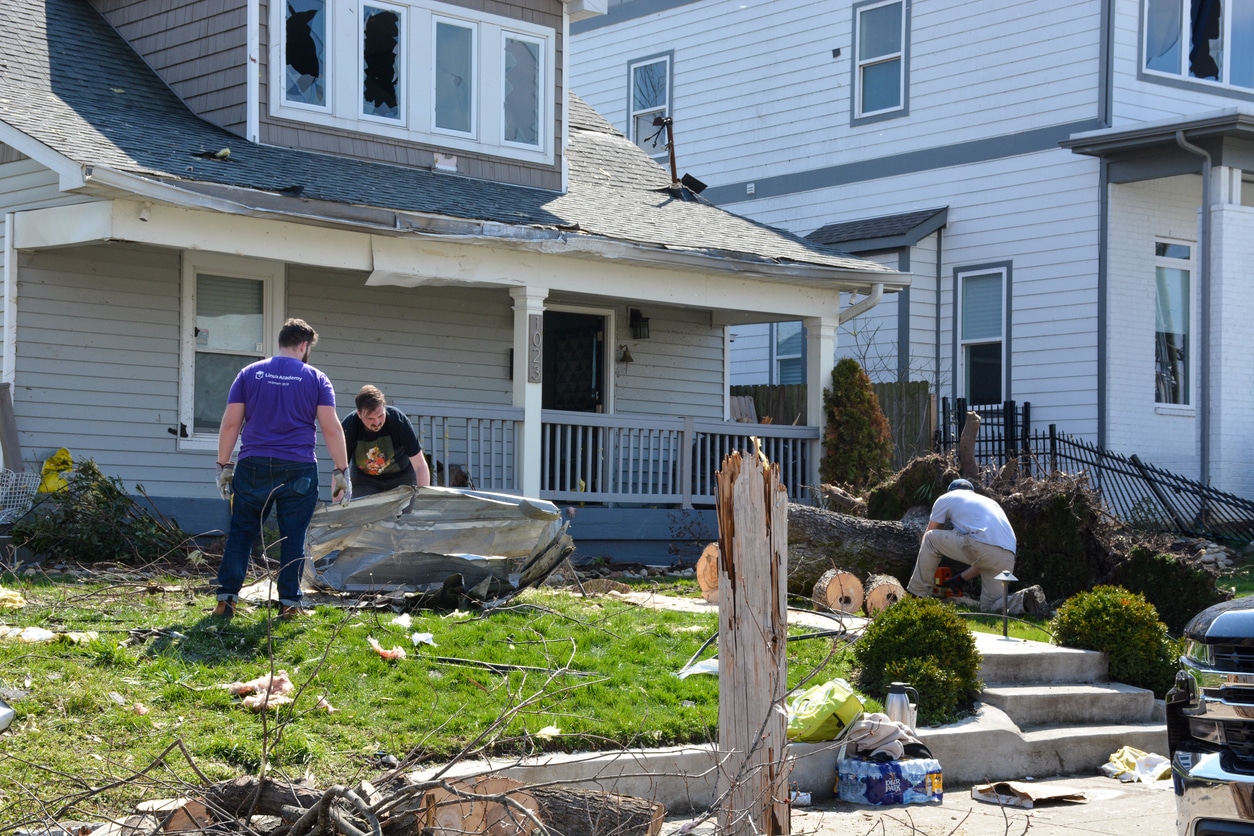
Nashville Storm Prep Guide: Protect Your Property This Spring
Spring in Middle Tennessee is beautiful,…

That Ceiling Stain Isn’t Going Away: What Nashville Business Owners Need to Know About Hidden Leaks
That water stain on your business’s…

Post-Leak Mold in Nashville: What to Watch for During Winter
Winter in Nashville has a talent…
Contact Nashville’s Structural Drying Experts
Structural drying helps protect the materials that support your property by removing deep moisture from walls, flooring, and framing. Our Nashville team uses advanced drying technology to stabilize the structure and prevent long-term problems caused by hidden dampness.
We monitor moisture levels throughout the process to guide accurate drying and support a safer recovery. Contact us today to schedule structural drying and bring your property back to a strong, stable condition.