
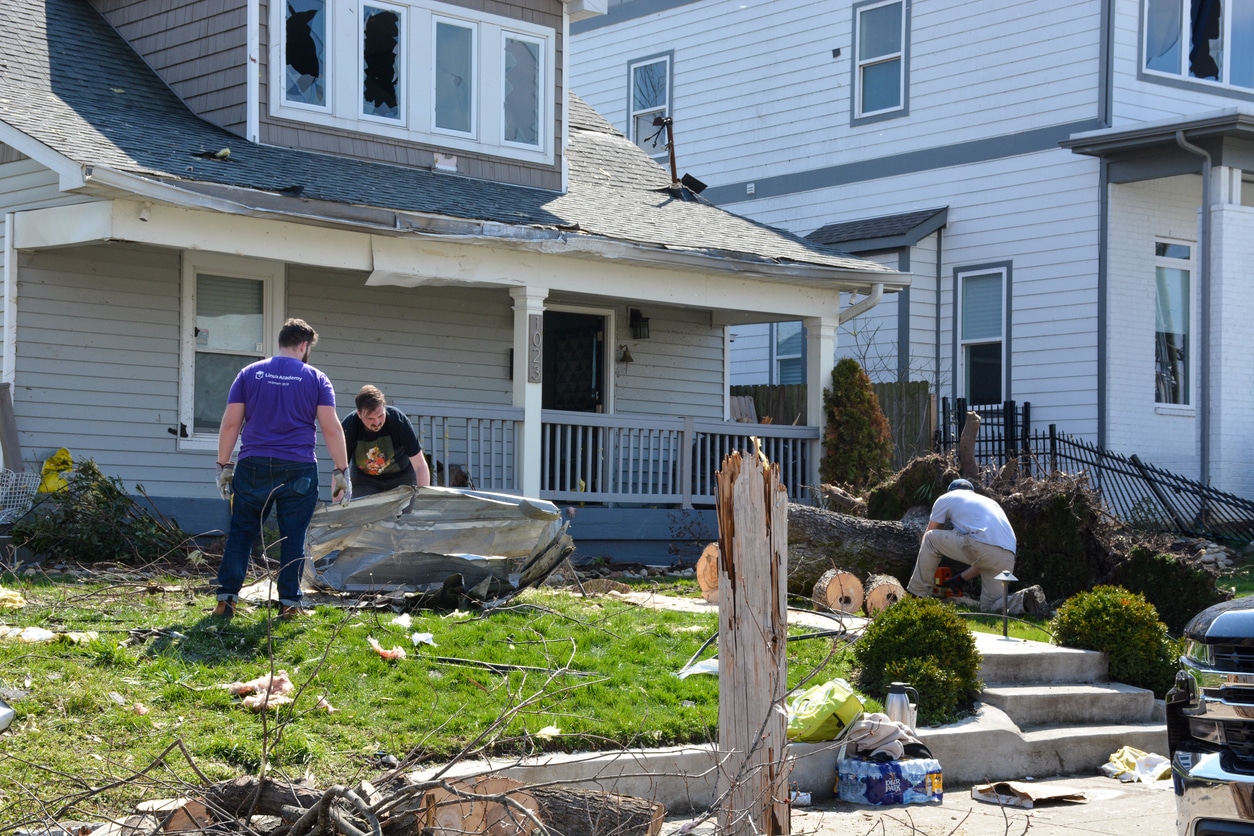
Spring in Middle Tennessee is beautiful, but unpredictable. Between March and June, Nashville faces some of its most dangerous weather of the year: severe thunderstorms, high winds, flash flooding, and the occasional tornado. Nashville storm damage repair calls spike every spring for a reason.
The good news? A little preparation now can prevent a lot of destruction later. From inspecting your roof to knowing when to call for emergency storm restoration, here’s what actually makes a difference.
Why Spring Is the Most Dangerous Season for Nashville Properties
Middle Tennessee sits in a region where warm Gulf air collides with cooler fronts moving down from the north. That clash is a recipe for severe weather, and it happens most often in spring.
The 2010 Nashville flood remains one of the most referenced disasters in local memory, but smaller events happen every year. The combination of rain volume and wind speed that Nashville often experiences is what turns a manageable storm into a repair situation.
Start With Your Roof: The First Line of Defense Against Storm Damage
Your roof takes the brunt of every storm. A damaged roof can lead to water intrusion within minutes of heavy rain, and interior water damage can compound quickly.
Before storm season begins, conduct a ground-level visual inspection with binoculars. Look for:
- Shingles that are curling, cracked, or visibly missing
- Granule loss (gritty buildup in downspouts or around the foundation)
- Lifted or buckled flashing around chimneys, skylights, or vents
- Sagging areas that may indicate underlying structural issues
If your roof is more than 15 years old or took a hit from last year’s storms, a professional inspection is worth scheduling before April.
Clear Gutters and Downspouts Before the Rain Arrives
Clogged gutters are among the most common and overlooked causes of water damage in Nashville homes. When gutters are blocked, water has nowhere to go, creating conditions for basement flooding and structural damage.
Here’s what to do in early spring:
- Clean out all debris from gutters and flush them with a garden hose to confirm water flows freely
- Check that downspouts extend at least 4-6 feet away from the foundation
- Inspect gutters for sagging sections or separating seams that could cause overflow
- Make sure underground drainage systems (if present) are not blocked
Taking an hour or two to address these items in early spring is one of the lowest-cost, highest-impact things you can do before storm season starts.
Trim Trees and Remove Hazards Around the Property
Wind damage in Nashville from falling trees and branches is one of the leading causes of roof damage and broken windows after a storm.
Focus on these areas before storms arrive:
- Remove any dead or dying branches within falling distance of structures
- Trim limbs that hang directly over the roof or within a few feet of power lines
- Look out for trees with significant lean, exposed roots, or cracks in the trunk
- Stake or secure any newly planted trees that don’t yet have deep root systems
For large trees close to the home, hiring a certified arborist is often the safest and most effective option.
Reduce Flood Risk With Simple Drainage Improvements
Flood cleanup in TN is necessary when properties don’t shed water quickly during heavy rain. If the soil around a home’s foundation slopes toward the structure rather than away from it, every significant storm pushes water against the building.
Some practical steps Nashville property owners can take to prepare for a flood include:
- Check that the soil grade slopes away from the foundation at a rate of about 6 inches over the first 10 feet
- Fill any low spots or depressions in the yard that collect standing water after rain
- Consider adding a French drain or surface drain in areas that flood repeatedly
- Keep window well covers in place if your home has below-grade windows
- Inspect basement window seals and foundation vents before storm season
Even a single inch of water intrusion in a home can cause damage. Acting on drainage issues before storm season almost always involves less hassle and lower costs than flood cleanup after the fact.
Have an Emergency Storm Restoration Plan Ready Before You Need It
Most storm damage situations become more costly when property owners don’t know what to do in the first few hours after a storm. Structural drying and cleanup need to begin promptly to prevent mold growth.
A basic emergency storm plan should include:
- A saved contact number for a local emergency storm restoration company available 24/7
- Your homeowner’s insurance policy number and your agent’s contact information accessible in one place
- A brief photo or video record of your property’s current condition, stored in the cloud
- Tarps and basic supplies to cover broken windows or small roof breaches temporarily
- Knowledge of your main water shutoff location in case a storm causes a pipe to break
Walking through your home and recording a video of every room, the roof, the exterior, and your major appliances takes about 30 minutes. This documentation can significantly speed up an insurance claim and help establish which damage is storm-related versus pre-existing.
Frequently Asked Questions About Nashville Storm Damage Repair
Storm season brings a lot of uncertainty. These answers cover the questions Nashville homeowners and property managers ask us most.
How long does storm damage restoration take in Nashville?
The timeline depends on the extent of damage, the type of loss, and whether the property needs structural drying before repairs can begin. Starting the process quickly is the most reliable way to keep the overall timeline shorter.
Does homeowner’s insurance cover storm damage in Tennessee?
Most standard homeowner’s insurance policies in Tennessee cover sudden and accidental storm damage, including wind, hail, and some types of water damage. Flood damage from rising water, however, typically requires a separate flood insurance policy.
What should I do immediately after a storm damages my property?
First, make sure everyone in the property is safe and the structure is stable before re-entering. Document as much of the damage as you can with photos or video. Contact your insurance company to report the claim, and call a licensed restoration company as soon as possible. Avoid making permanent repairs before the insurance adjuster has a chance to assess the damage.
Be Ready Before the First Storm of the Season
Spring storm prep in Middle Tennessee is critical to coming through a storm season with manageable repairs. Inspecting your roof, clearing your gutters, managing your trees, and having an emergency plan can help you avoid extensive restoration. The window to get ahead of storm season is short, and acting early makes a real difference.
Contact AccuWorks for Emergency Storm Restoration in Nashville
If a storm hits your property, fast response matters. AccuWorks provides 24/7 emergency storm restoration services across Nashville and Middle Tennessee, including wind damage repair, flood cleanup, and full reconstruction. Call us at
(615) 292-2009 or contact us online to learn more about our storm damage services. When damage happens, our team is ready to respond.