
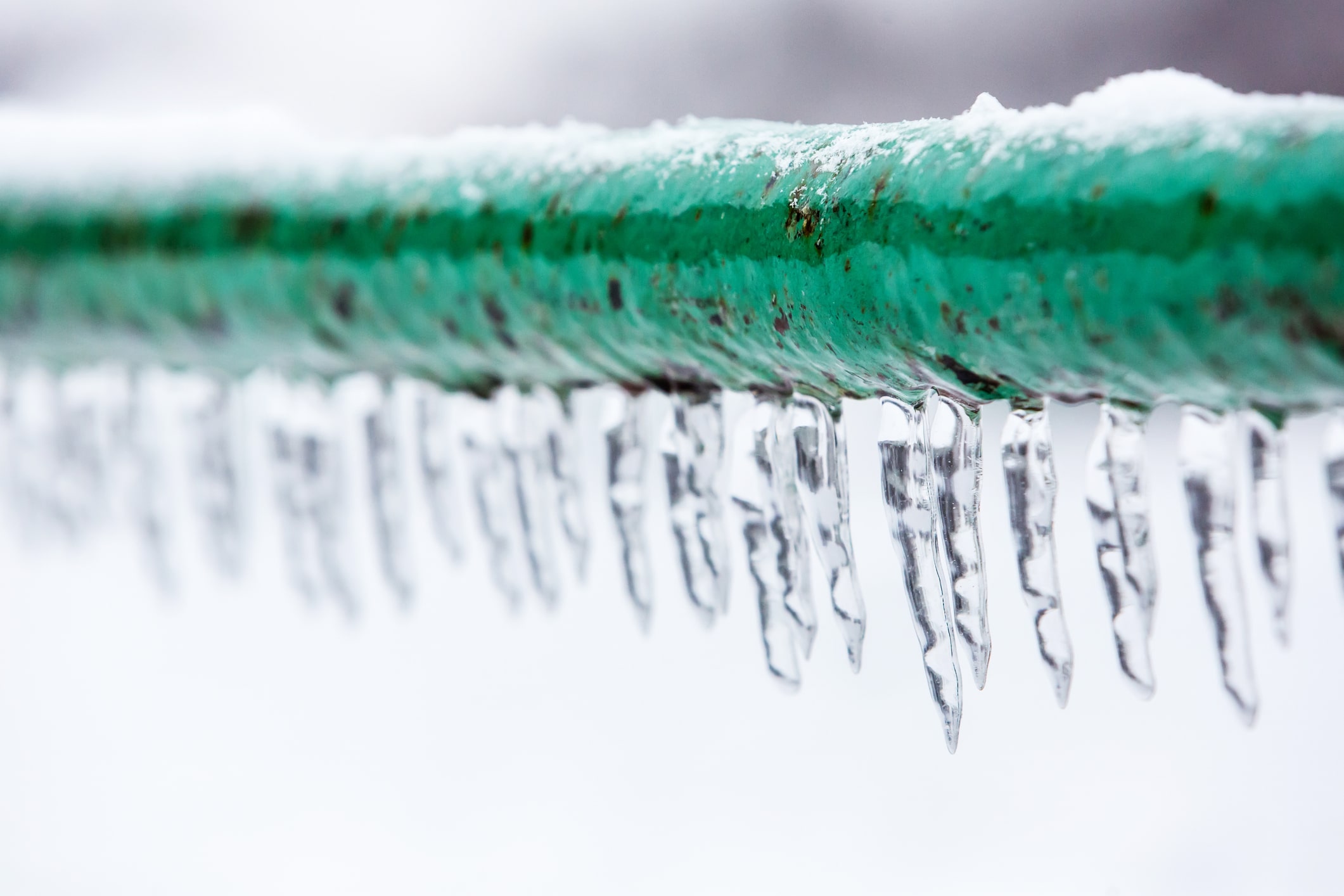
Nashville winters have a way of surprising all of us. One day is mild, the next is cold enough for pipes to feel the strain. Many property owners assume frozen pipes are only a problem in colder states, but our region’s quick temperature drops create the perfect conditions for pressure to build inside vulnerable lines.
Each winter, we hear familiar stories of unexpected leaks and burst pipes that began with a simple overnight freeze. It happens quietly and often in places that rarely get attention until trouble appears.
The encouraging part is that most winter water damage is preventable with a little preparation. When you understand how cold weather affects plumbing and know the early signs of a developing issue, you can stay ahead of the freeze. Our team prepared this guide to help you protect your home or business, avoid seasonal surprises, and feel confident that your property is ready for whatever Nashville winter brings.
Why Pipes Freeze in Middle Tennessee
Cold snaps in Middle Tennessee often show up with little warning, and our pipes tend to feel the effects long before we do. People are sometimes surprised to learn that freezing pipes are just as standard here as in colder regions, but our rapid temperature swings make plumbing especially vulnerable. We see this play out every year when a warm stretch suddenly gives way to a hard freeze and unprotected lines tighten under the change.
Across Nashville, pipes run through areas that are cooler than the rest of the building. Spots like attics, crawlspaces, exterior walls, and garages can dip below freezing even when the rest of the home feels comfortable. Once water inside a line starts to freeze, it expands and adds pressure to the pipe.
If that pressure has nowhere to go, the pipe can split. Knowing where these colder pockets exist makes it much easier to prevent winter water damage before it has a chance to start.
Early Warning Signs of a Cold-Weather Leak
Cold-weather pipe problems usually begin with small, subtle changes that are easy to overlook. The first signs often show up before a pipe actually freezes solid, and noticing them early can help stop a bigger issue. Something that seemed a little off, but didn’t seem serious until the leak appeared. With a little awareness, these early clues become easier to spot.
This section breaks down the most common signs in Nashville that a pipe in your home or business is struggling during cold weather. Each area below highlights what to look for and why these changes matter. Knowing these signals gives you a chance to act early and keep winter water damage from spreading.
Slower Water Flow
A gentle drop in water pressure is often the first hint that a pipe is starting to freeze. It may show up as a slow trickle at one faucet or a sink that suddenly feels weaker after a cold night. When temperatures fall quickly in Nashville, ice can begin forming inside a line long before the pipe fully freezes.
That early restriction is enough to change the way water moves and is a helpful sign to check the surrounding area before the line becomes fully blocked.
Frost on Exposed Pipes
Frost is a clear early warning that the temperature around a pipe has dropped too low. It can look like a thin white layer on metal or plastic, or small crystals forming near joints and valves. In many Nashville homes, frost tends to show up first in crawlspaces, attics, and garages where cold air settles.
Spotting it early gives you a chance to warm the area before freezing inside the pipe begins.
Unusual Sounds in Walls
When a pipe begins to freeze, it often makes small noises as pressure shifts. You might hear ticking, tapping, or light knocking in a wall or floor, especially after temperatures drop suddenly. These sounds happen when water is trying to move past forming ice or when the pipe material reacts to the cold.
It is a subtle sign, but one worth paying attention to because it often appears before any visible damage occurs.
Cold Spots Near Plumbing Runs
Cold patches on walls, floors, or cabinets can signal that a pipe nearby is in a space that is dropping below a safe temperature. These areas tend to appear along exterior walls, behind sinks, or above crawlspaces where cold air collects. In many Nashville homes, older insulation allows cold air to seep in quickly.
Feeling a cold spot is a good prompt to check the area and add warmth before freezing begins inside the pipe.
How to Prevent Frozen Pipes Before Temperatures Drop
Cold weather moves in quickly across Middle Tennessee, and a little preparation can make a significant difference in protecting your plumbing. Many of the steps that help prevent frozen pipes are simple, affordable, and easy to fit into everyday routines. By getting ahead of the first hard freeze, you lower the chance of waking up to a surprise leak or sudden drop in water pressure.
Nashville homes and commercial buildings often have plumbing tucked into areas that do not hold heat well, so focusing on these colder spots is the most effective approach. This section outlines the most reliable methods for protecting exposed lines, minimizing drafts, maintaining steady temperatures, and ensuring water movement during winter weather.
Insulate Exposed Pipes
Pipes in attics, crawlspaces, garages, and exterior walls benefit greatly from insulation. Foam sleeves or wraps fit easily over most lines and help maintain a safer temperature when cold air settles overnight. Even a thin layer of insulation can help protect areas that cool faster than the rest of the building.
It’s also helpful to check for gaps or worn sections in older insulation and replace what no longer fits tightly. Many Nashville properties built decades ago still have uninsulated sections of plumbing that are easy to miss. Taking time to cover these exposed spots adds an important layer of protection when temperatures drop.
Why It Matters
- Insulation slows heat loss from vulnerable pipes
- Protected pipes resist freezing during sudden cold snaps
- Covered lines maintain more stable temperatures overnight
- Insulation helps prevent pressure buildup inside pipes
Seal Drafts & Improve Airflow
Cold air often slips into buildings through cracks near doors, windows, and exterior walls. Sealing these areas with weatherstripping or caulk helps keep warmer air inside and reduces the drop in temperature around plumbing. Even small gaps can allow enough cold air to affect nearby lines.
Improving airflow inside cabinets and utility areas also makes a difference. Opening cabinet doors beneath sinks on very cold nights helps warm air circulate around pipes, especially those located on exterior walls. This simple step is often overlooked but can prevent a freeze before it starts.
Why It Matters
- Stops cold air from reaching vulnerable plumbing
- Keeps pipe temperatures steadier through the night
- Reduces the risk of ice forming in tight, drafty spaces
- Helps older buildings compensate for weak insulation
Maintain Steady Indoor Temperatures
Keeping the indoor temperature consistent during winter weather is one of the easiest ways to prevent frozen pipes. Setting the thermostat to stay at the same temperature during the day and night helps avoid sudden drops that affect unprotected plumbing. Heating systems work more efficiently when they maintain a steady level rather than cycling between warm and cool.
It is also important to pay attention to unused rooms or areas that sit farther from the main heating source. Spaces like basements, laundry rooms, and guest rooms can cool faster than the rest of the house. Ensuring these areas stay warm enough reduces the chance of ice forming in hidden pipe runs.
Why It Matters
- Consistent heat prevents rapid temperature declines
- Helps plumbing in out-of-the-way rooms stay warm
- Protects lines in areas that cool faster than the main living spaces
- Reduces energy swings that strain heating systems
Allow Controlled Faucet Drips
A small, steady drip from a faucet helps keep water moving through the line. Moving water is much less likely to freeze, even when the air around the pipe becomes cold. This simple step is especially helpful for sinks located on exterior walls or in rooms that stay cooler.
Not every faucet needs to drip. Focusing on one or two fixtures connected to vulnerable pipes is usually enough. Many Nashville homeowners use this method during the coldest nights of the year as an extra precaution that pairs well with insulation and draft control.
Why It Matters
- Moving water freezes more slowly than still water
- Keeps pressure from building behind the forming ice
- Protects single vulnerable lines without wasting excessive water
- Reduces freeze risk during overnight temperature drops
Protecting Outdoor Spigots & Supply Lines
Outdoor spigots are often the first fixtures to freeze since they are fully exposed to the weather. Covering them with insulated caps helps trap warmth and shield them from wind. Before temperatures drop, it is also helpful to disconnect hoses so water cannot remain in the line and freeze.
Homes and buildings with irrigation systems or exterior supply lines should shut off and drain these systems ahead of winter. Even a small amount of trapped water can freeze inside a line and cause damage that spreads into the building. Taking a few minutes to prepare outdoor fixtures helps prevent winter water issues that often start outside.
Why It Matters
- Shields exterior fixtures from direct cold exposure
- Stops water from freezing inside hose connections
- Protects irrigation lines that sit near the surface
- Reduces the chance of outdoor freezes impacting indoor plumbing
What to Do if a Pipe Bursts
A burst pipe can feel overwhelming in the moment, especially when water starts flooding your living room. Nashville homes and businesses often have plumbing in places that are not checked daily, so a burst may start quietly before anyone notices. The important thing is to stay calm, move through the first steps with purpose, and focus on limiting the spread of water.
Most damage happens in the first few minutes, not hours, which is why knowing what to do ahead of time makes such a difference. This section walks through how to shut off the water, stay safe while the area is wet, and understand why quick action protects the structure and helps prevent long-term problems like mold.
Immediately Shut-Off Your Water Supply
The fastest way to stop water from spreading is to turn off the main water supply. Every property has a shut-off valve, usually located near the perimeter of the home, in a utility room, or in a crawlspace. Turning it clockwise stops water from moving through the system and gives you control of the situation. Once the water stops, opening nearby faucets helps relieve pressure and drain remaining water from the line.
If the burst pipe is part of an appliance or secondary system, turning off the supply valve to that specific fixture can also help. Even if the area is wet, try to stay steady and focused. Acting quickly prevents thousands of gallons of water from entering the space.
Why It Matters
- Stopping the water limits damage to the flooring, walls, and contents
- Relieving pressure helps prevent additional pipe failures
- Quick shut-off reduces cleanup time and drying needs
- Early control lowers the chance of structural saturation
Consider Your Safety
Once the water is off, it is important to check for safety risks before entering the area. Standing water can hide hazards like electrical connections, unstable flooring, or sharp debris. Turning off electricity to the affected section helps avoid accidental shocks, especially if the water has reached outlets or appliances. Staying aware of your surroundings keeps you safe while assessing the damage.
It is also helpful to avoid walking through deep water or moving heavy items until you know the space is stable. Nashville properties with crawlspaces or older construction can have uneven areas that shift when saturated. Taking a cautious approach protects both you and the building while you determine the next steps.
Why It Matters
- Prevents accidental electrical hazards
- Reduces risk of slips, falls, or injuries
- Helps protect weakened structural materials
- Keeps the environment safe for anyone assisting
Fast Action Reduces Structural Damage & Mold Risk
Water spreads quickly into porous materials like drywall, flooring, insulation, and subflooring. The longer it sits, the deeper it travels, which increases the time and effort needed to dry the structure properly. Prompt action, even in the first hour, helps limit how far the water moves and reduces the chance of long-term mold issues behind walls or under floors.
Fast response also plays a major role in mold prevention. Mold grows when moisture remains in an area for more than a short period, especially in warm indoor environments. Acting early by stopping the water, ventilating the space, and beginning the drying process reduces the conditions mold needs to form.
Why It Matters
- Minimizes the spread of water into hidden areas
- Helps keep structural materials intact and salvageable
- Reduces the chance of long drying times
- Lowers the risk of mold growth and secondary damage
When to Call a Trusted Emergency Water Damage Restoration Team
There are moments during a burst-pipe event when do-it-yourself steps are no longer enough. Once water has moved into walls, flooring, or insulation, the cleanup becomes more complex than it appears on the surface. Nashville homes and commercial buildings often have building materials that soak up water quickly, which can hide moisture deep within the structure. Calling a team with the right equipment and experience ensures the space is dried correctly from the start.
Professional help is especially important when the damage affects multiple rooms, when water has reached electrical components, or when the source of the leak is not easy to locate. A trained team can assess the extent of the moisture, stop additional damage, and guide you through the recovery with steady, confident communication.
How Professional Restoration Helps After Winter Water Damage
When the situation is safe and the water is not spreading fast, we begin by taking a close look at what happened. Our team checks the area with thermal imaging so we can see exactly where the water went, even in the spots you cannot see. Once we have the full picture, we sit down with you, go over everything, and share a clear plan. You choose what happens next, and nothing starts until you approve it.
If the pipe burst creates an urgent mess, we handle the emergency water removal first so things do not get worse. After the space is under control, we walk you through what we found and talk through your options. From there, we bring in our drying equipment to get the area stable and help prevent problems like mold or structural damage. At AccuWorks, we make the whole process feel straightforward and manageable from the very beginning.
Middle Tennessee’s Partner for Winter Water Emergencies
Winter water damage can feel stressful, but you don’t have to manage it alone. Our team is ready to help you through each step, from the first assessment to complete structural drying. We understand how quickly cold-weather events can create unexpected problems, and we respond with the same care and attention we would want for our own homes.
If you ever face a burst pipe, winter leak, or unexpected water intrusion, reach out to us. We are here to provide clear guidance, dependable service, and a calm, confident approach to getting your property back to normal.